Pool This Summer? Why Code Compliant Fencing Comes Before the First Swim
Quick Answer: A pool fence should be designed and built before the pool is filled, not after, because the barrier is part of the pool's safety system and often part of the sign off that lets you use it. A typical residential barrier stands at least 48 inches tall on the outside, leaves no gap at the bottom larger than 2 inches, and has openings too small for a 4 inch sphere to pass. The gate must swing away from the pool and close and latch on its own. Requirements vary by county, so confirm the details with your local permit office before you order materials.
You have the pool picked out, maybe even the date the excavator is coming. The deck plan is sketched on a napkin, the patio furniture is already on your mind, and the grandkids have been told to bring their swimsuits the first warm weekend in June. The fence is the item at the bottom of the list, the thing you will "get to once the hole is dug." Then the pool goes in, the water goes in, and a neighbor mentions that the fence needs to be standing before anyone swims. Suddenly the happiest part of the summer is stalled by the least glamorous part of the project.
On the Eastern Shore this happens more than it should. Properties here tend to be larger than a typical suburban lot, with a house set back from the road, a garden or lawn running down toward a creek or a field edge, and a pool tucked wherever the grade and the septic layout allow. Those open spaces make the fence more important, not less. A child or a pet who wanders off the patio on a big rural lot can reach the water faster than you would think, and nobody on the road is going to notice.
This article walks through why the barrier comes first, what a good
pool fence actually has to do, and how the material and layout choices change when your pool sits on rural or waterfront ground.
Why the Fence Belongs at the Start of the Plan
A pool fence is not a decorative border you add once the landscaping is done. Pool safety guidance treats the barrier as one of the main layers of protection around the water, alongside supervision, covers, and alarms. Many building offices also expect the permanent barrier to be in place before they will sign off on the finished pool, and some want a temporary barrier up even while the excavation is open.
That timing matters for a practical reason. A fence installed before the pool is filled can be laid out cleanly around the final footprint, with room left for equipment pads, deck edges, and future steps. A fence squeezed in afterward has to work around finished concrete, plumbing runs, and a pool cover track that nobody thought about. Post holes get dug closer to buried lines. Gate swings collide with a deck rail. The fix is always more awkward than the original plan would have been.
Planning The Barrier Early Protects The Schedule
If final inspection requires a permanent barrier, a missing fence can delay pool access for weeks while contractors, inspectors, and fence crews coordinate availability.
The Barrier Also Shapes The Rest Of The Yard
Gate placement determines walking routes, while fence lines affect usable patio space and views, making early planning essential for balancing safety and outdoor design.
Tip: Before you finalize the pool location, walk the site with a fence contractor and mark the likely fence line with stakes or flags. Seeing the barrier on the ground often changes where the pool, the equipment pad, and the gate end up.
What a Pool Barrier Actually Has to Do
The details differ by county, so treat the figures below as a picture of what a typical residential barrier looks like, based on the model standards that many local offices adopt. Your local permit office has the final word on your property.
Height
The top of the barrier generally needs to sit at least 48 inches above the ground, measured on the outside, the side facing away from the pool. That height is meant to stop small children from climbing over and to give adults a clear visual boundary.
Bottom Clearance
The gap between the ground and the bottom of the fence is usually limited to about 2 inches. This surprises people with a sloping yard or a lawn that has settled. A fence that looks fine on level ground can leave a wide gap where the grade drops away, and a toddler or a determined dog can slip right under it.
Openings
Any opening in the barrier should be small enough that a 4 inch sphere cannot pass through. For a picket or ornamental style, that limits how far apart the vertical members can sit. Where horizontal rails are close together and easy to use as a ladder, the spacing rules get tighter still, and the rails are normally placed on the pool side so a child on the outside cannot use them as steps.
Climbability
A barrier is only as good as what stands next to it. A planter, a grill, a pool equipment cabinet, or a low shed roof near the fence can act as a stepping stone. Good layout keeps permanent objects away from the outside face of the fence so nothing turns a 48 inch barrier into a 20 inch one.
Nothing To Grab Or Climb On The Face
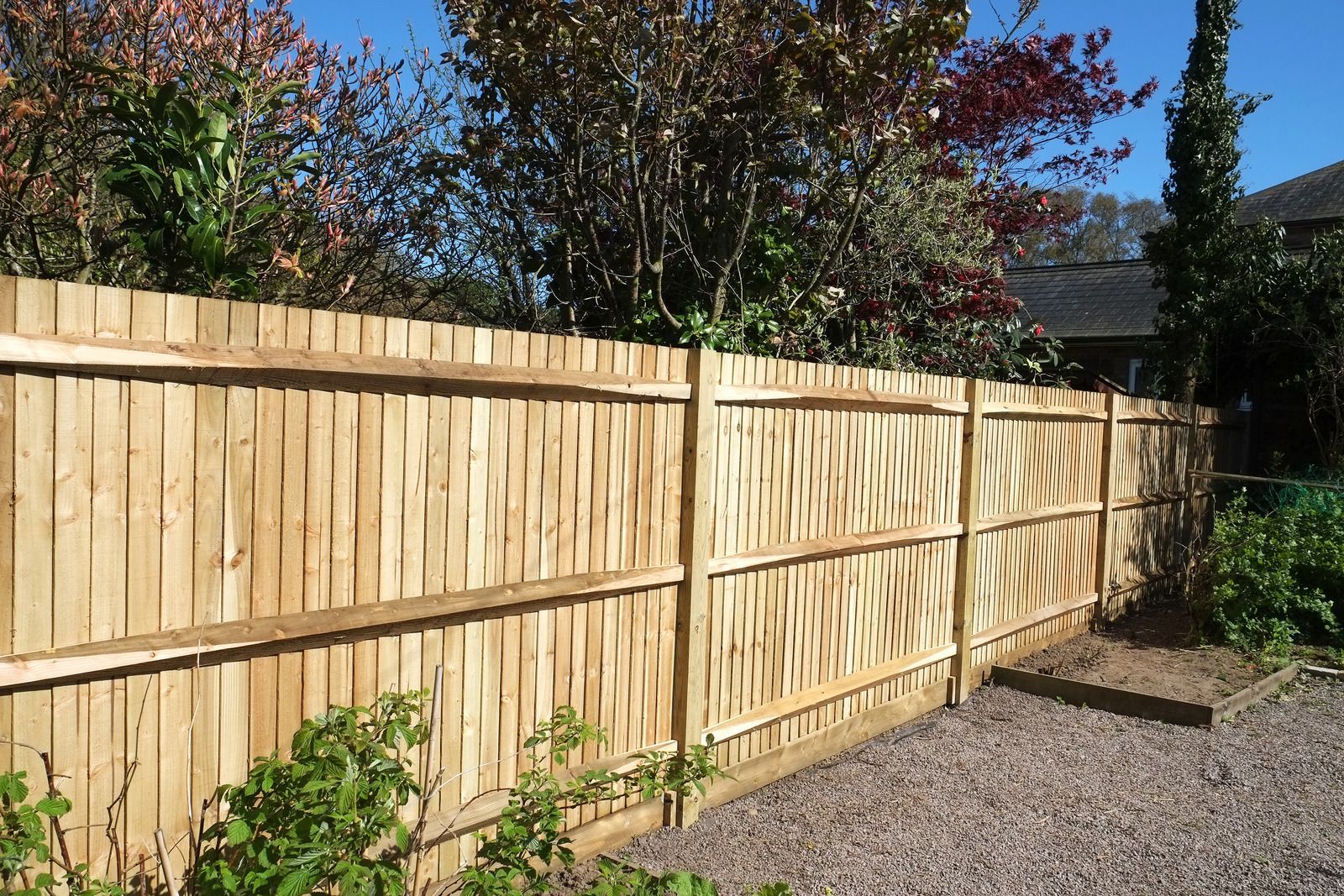
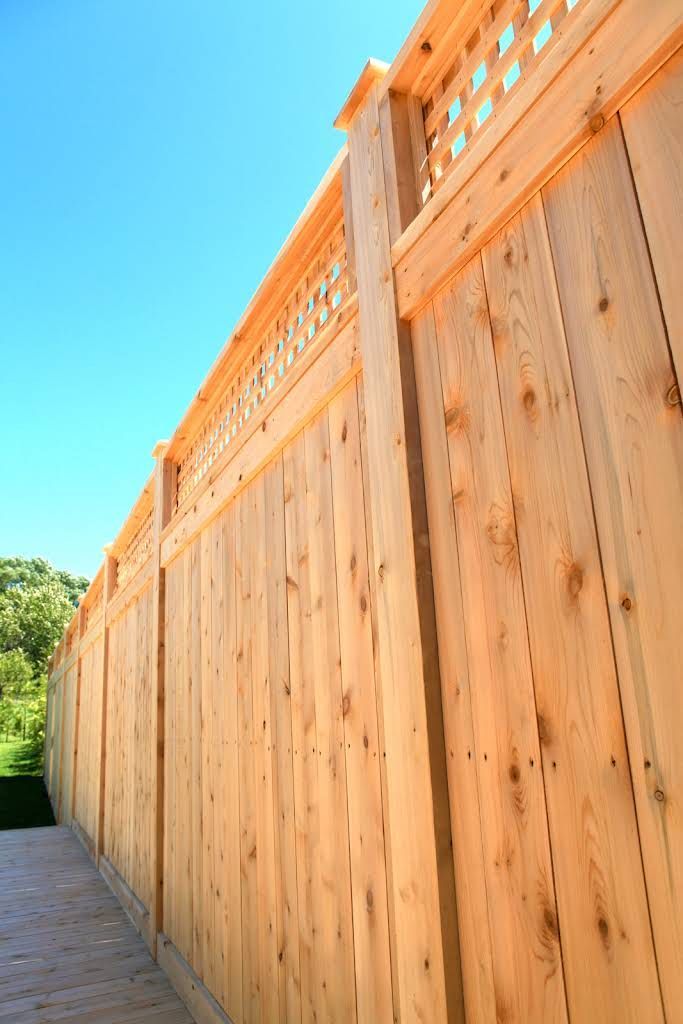
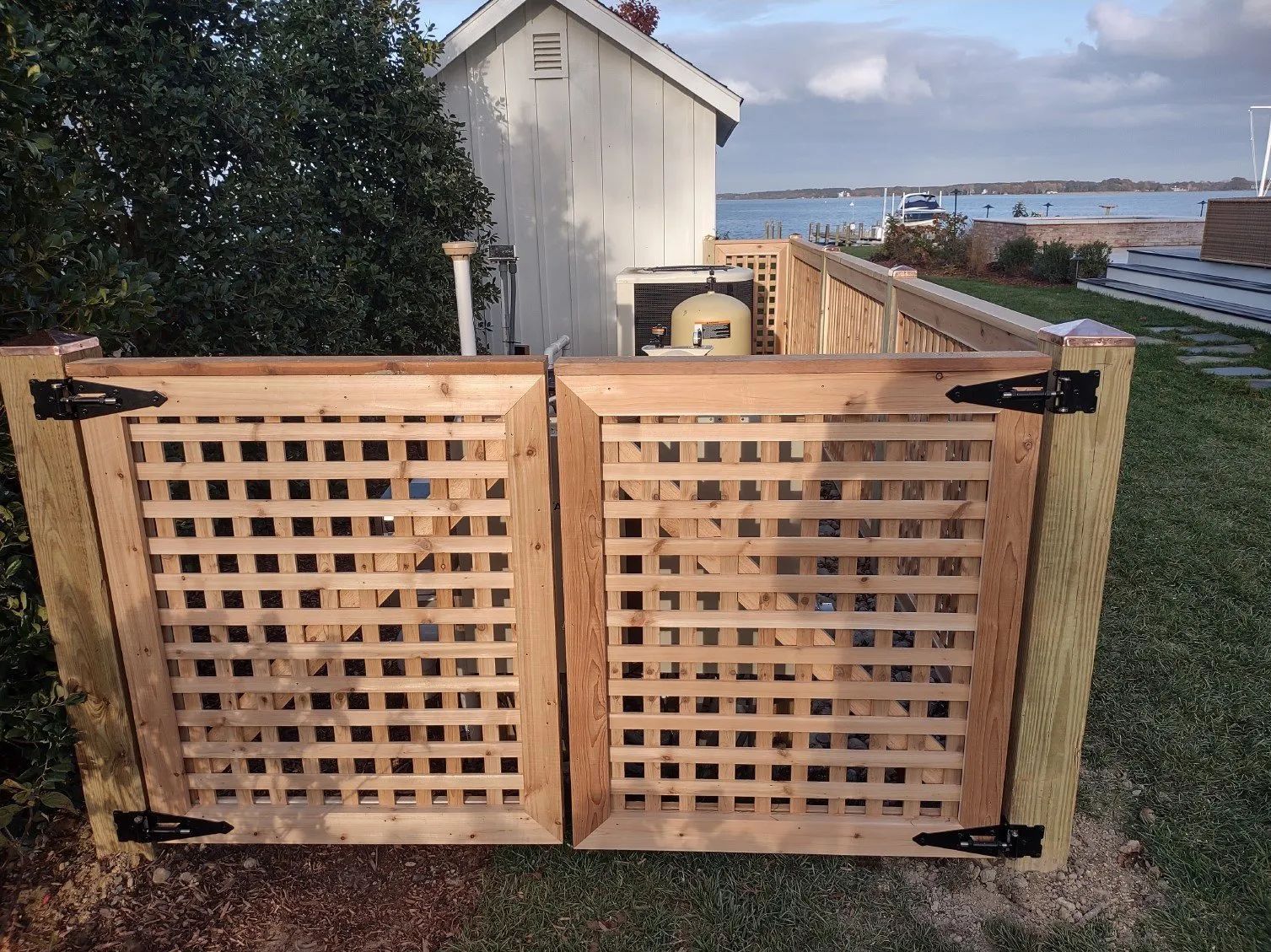
Solid fences should not have ledges or protrusions that make footholds. Chain link, if it is used, has a maximum mesh size, and lattice style panels have a maximum diagonal opening, both aimed at keeping toes and fingers from finding a grip.
The Gate Is the Part That Fails
Most pool barriers fail at the gate, not the fence. A tall, well built fence with a gate that someone props open for the pool service or leaves unlatched after a cookout protects nobody.
The Gate Should Swing Away From The Pool
A gate that swings away from the pool prevents children from easily pushing it open, adding another layer of protection against accidental access.
It Should Close And Latch Automatically
Self-closing hinges and self-latching mechanisms reduce reliance on memory, helping ensure the gate closes securely every time someone passes through.
The Latch Release Should Be Out Of A Child’s Reach
Position the latch beyond a child’s reach, following local code requirements. Avoid nearby openings that allow children to reach through and release it.
The Gate Should Accept A Lock
A lock provides extra security when the pool is unused, during seasonal closures, or when visiting families bring young children.
Warning: Never prop a pool gate open with a rock, a chair, or a bungee cord, even for a few minutes. Self closing hardware only works if nothing defeats it, and an open gate removes the entire barrier.
When the House Is Part of the Barrier
On many Eastern Shore homes the pool sits right off a back door or a screened porch, and the wall of the house ends up serving as one side of the enclosure. That can work, but the doors that open straight to the pool become the weak point. Local rules commonly want one of a few safeguards in that situation, such as a powered safety cover over the pool or an alarm on the doors that sounds whenever one opens. The alarm switch is placed high on the door frame, out of a child's reach.
If your layout makes the house part of the barrier, say so at the very start of the design. A fence contractor can often reroute the fence so it runs a few feet out from the back wall, leaving the doors inside the protected area and removing the question altogether. That small adjustment frequently gives you a cleaner look and a safer pool.
Rural and Waterfront Conditions Change the Build
A pool fence that works in a flat subdivision backyard does not always translate to farm ground or a lot near the water. Eastern Shore conditions put real demands on the materials and the layout.
Salt Air And Humidity
Properties near the Bay, Chester River, or tidal creeks face constant moisture and salt exposure. Corrosion-resistant hardware, hinges, and latches help prevent sticking and deterioration.
Soft And Wet Ground
Ground that stays damp after storms can shift fence posts over time. Deep, secure installation helps prevent leaning posts, bottom gaps, and gate alignment problems.
Slopes And Uneven Grade
Rural properties often have slopes or uneven ground near ditches and fields. Stepped or racked panels and careful grading help maintain consistent bottom clearance.
Big Open Sites
Large properties may tempt owners to fence only part of the pool area. However, the barrier must fully surround the pool, regardless of distance.
Wildlife And Pets
Deer, dogs, and neighboring animals may approach the pool area. Properly spaced fence openings help keep pets away from the water and reduce unwanted access.
Matching the Fence Material to the Pool
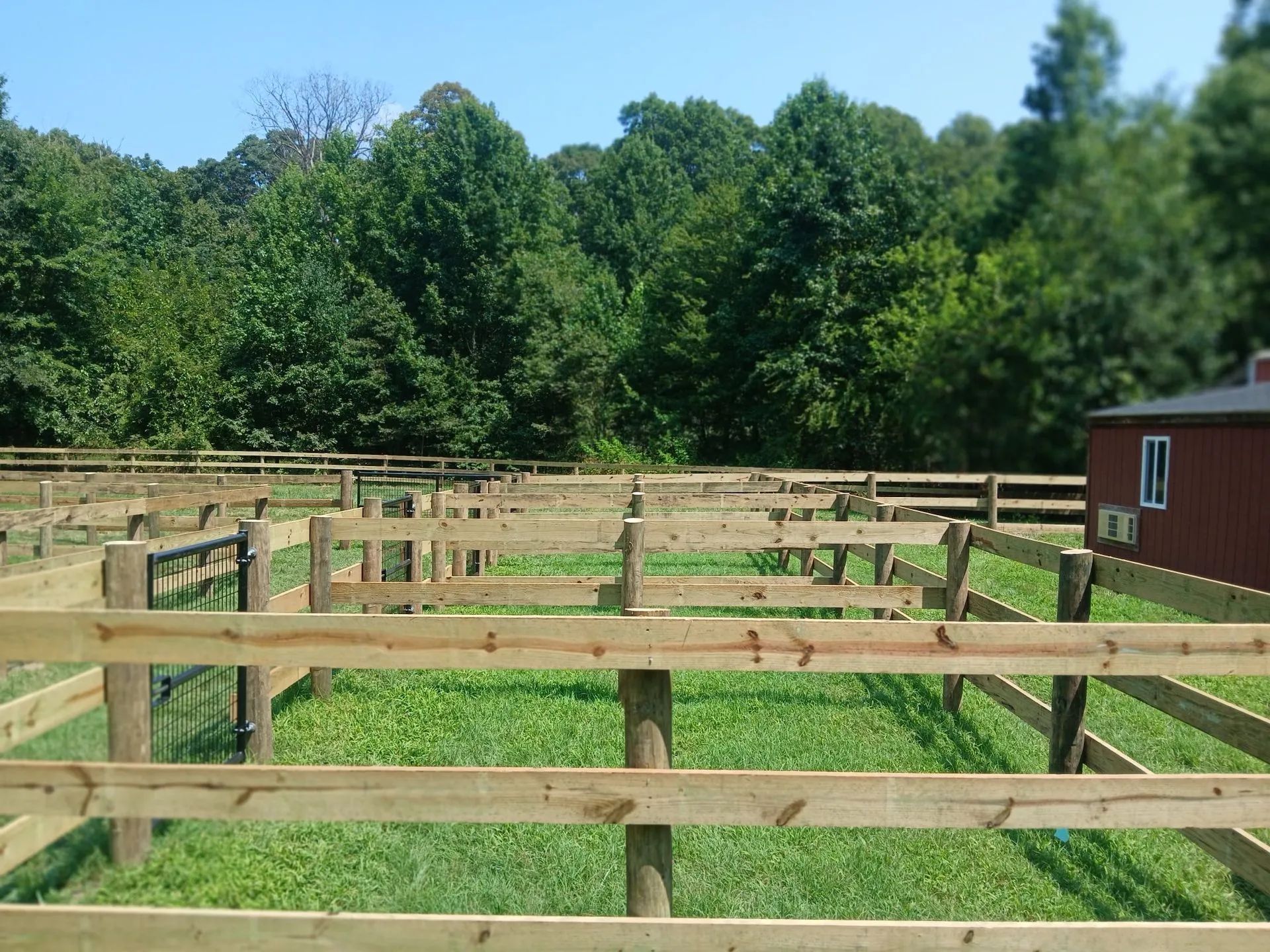
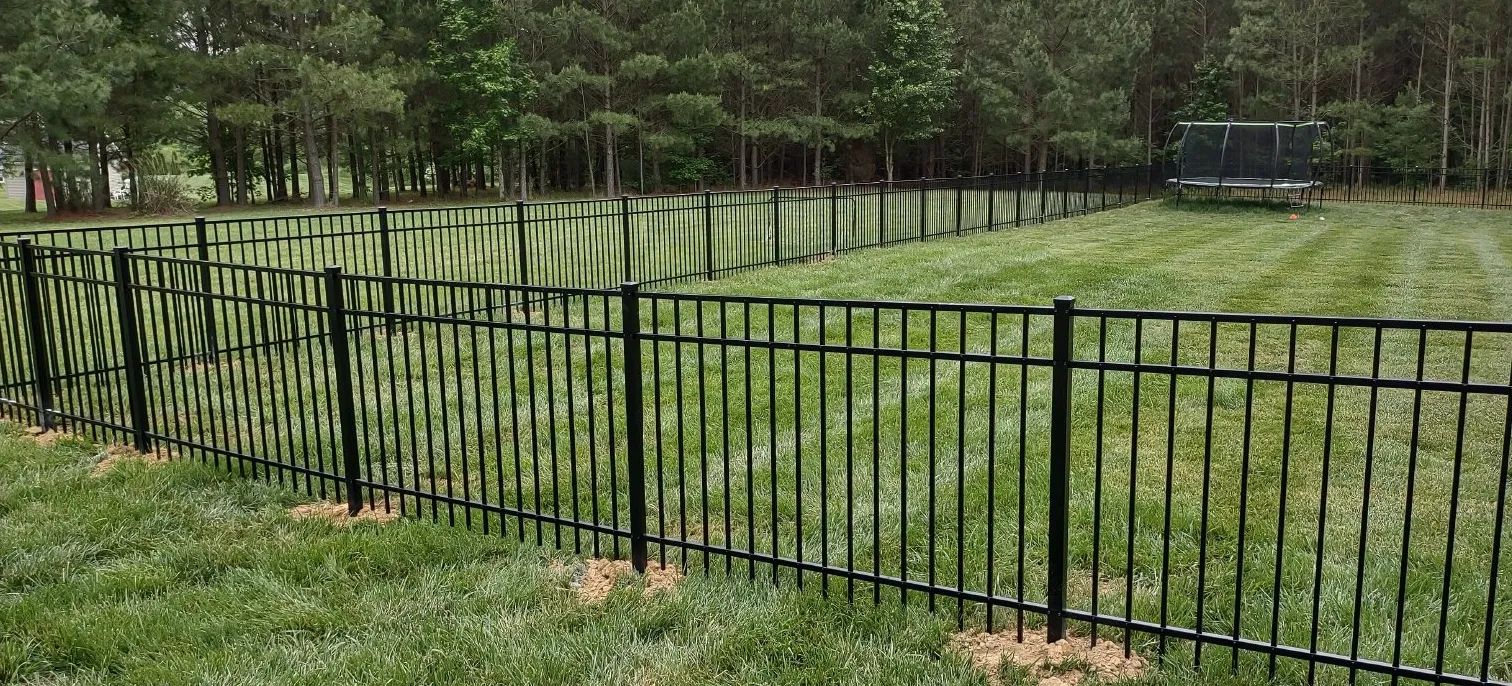
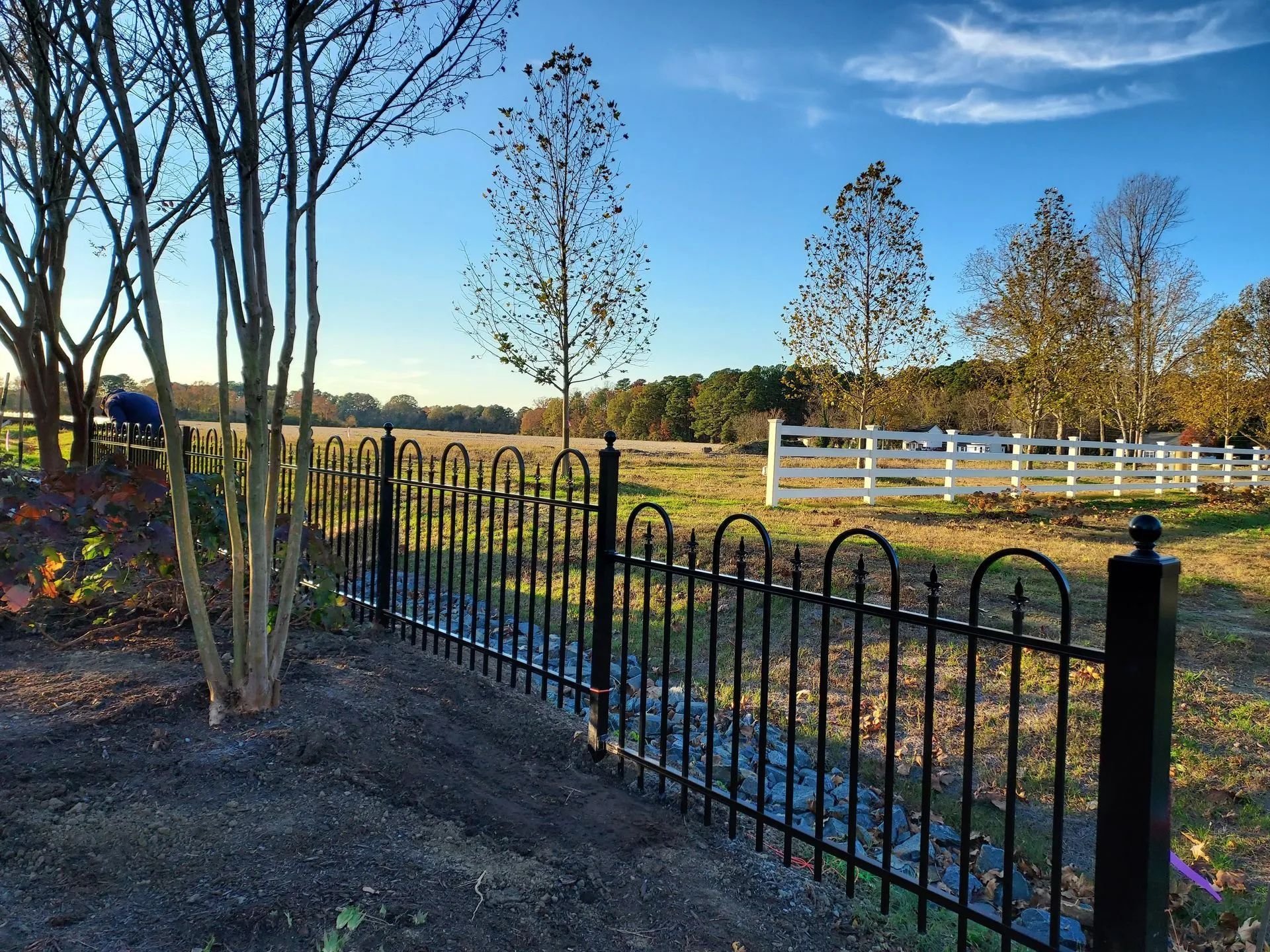
Aluminum ornamental fencing is a popular pool choice for good reason. Its vertical pickets are evenly spaced, its rails sit on the pool side, it does not rot, and it lets you see across the pool area from the house. That visibility is a safety feature in itself, since you can watch the water from the kitchen window.
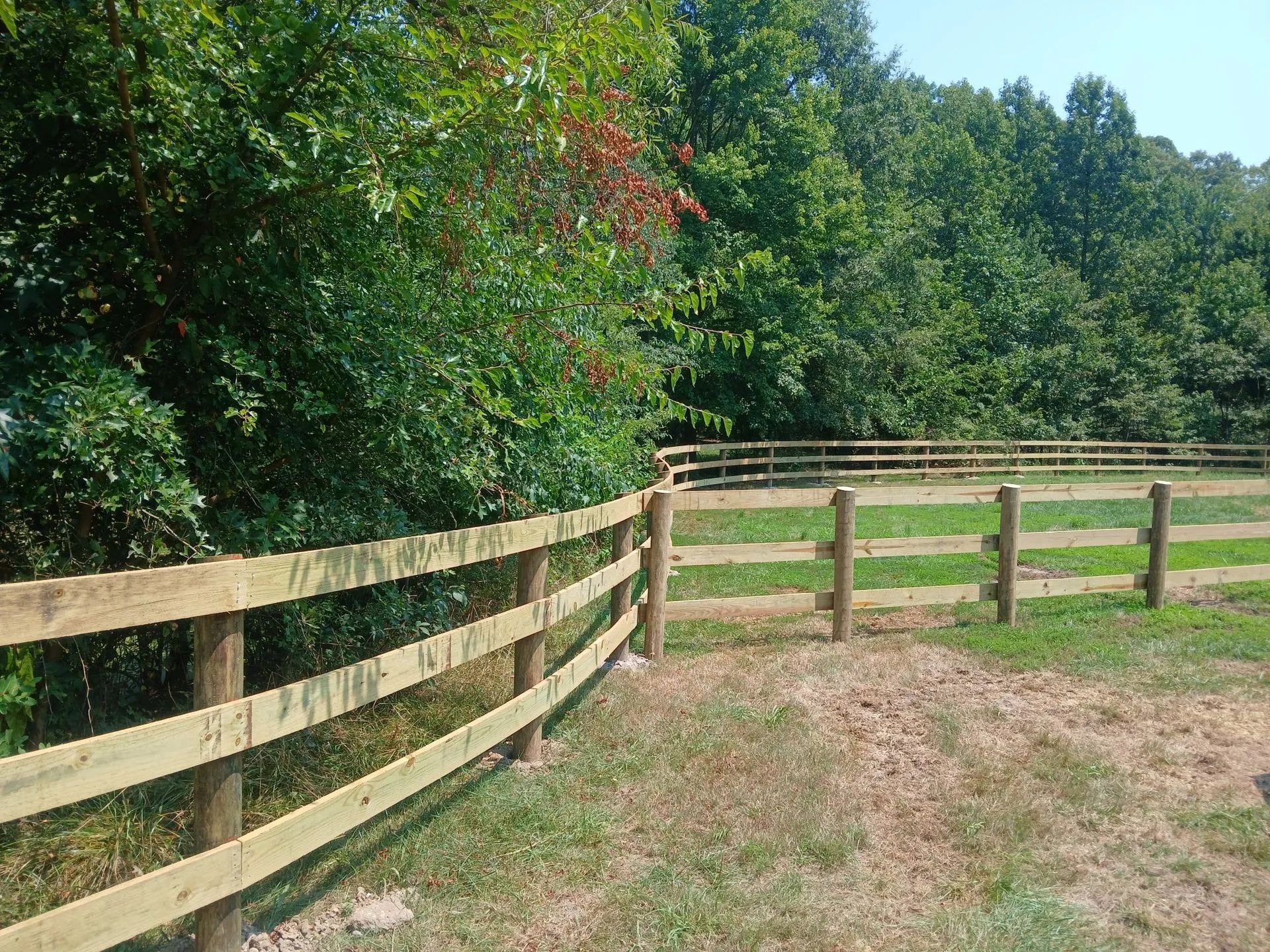
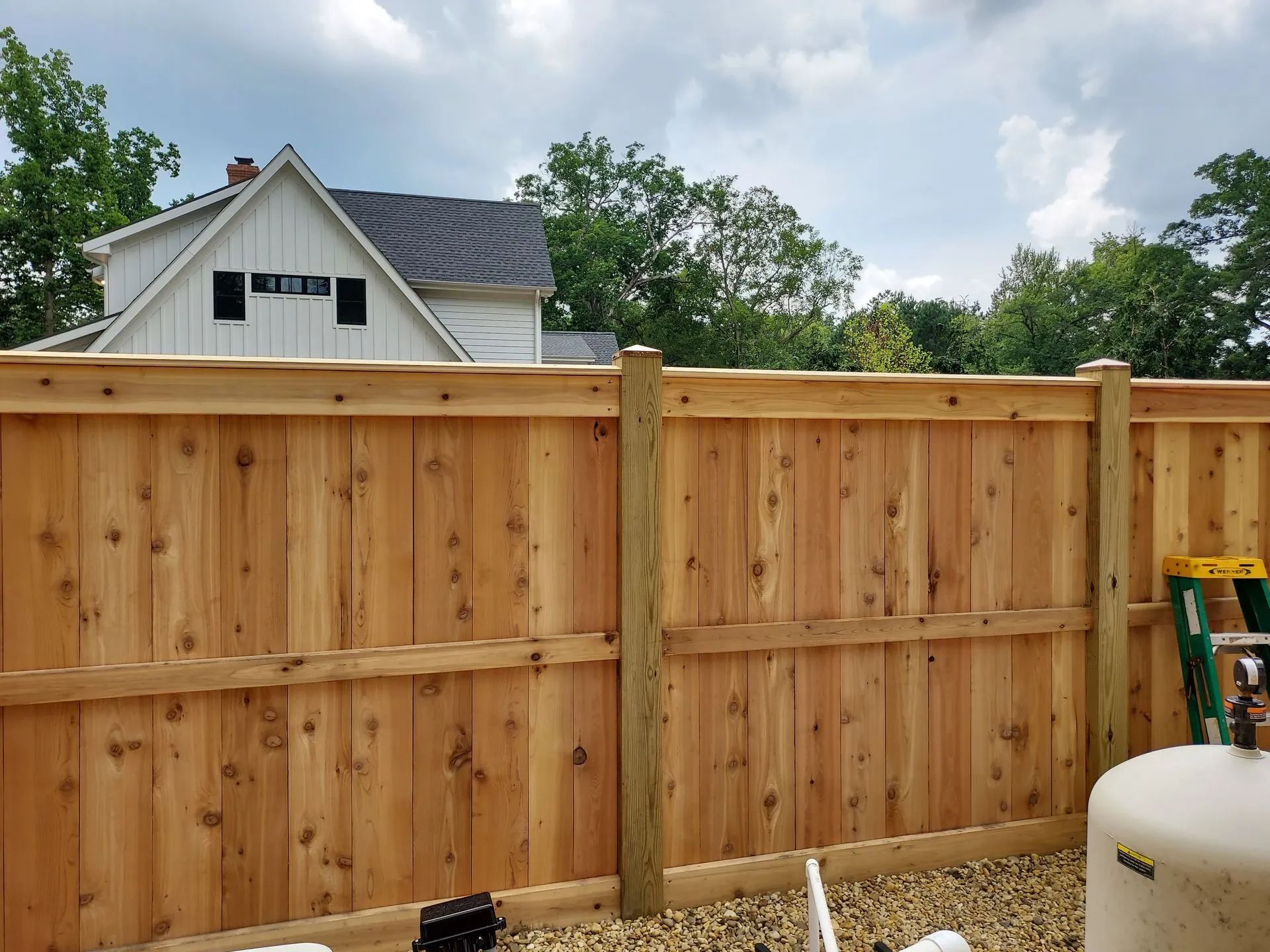
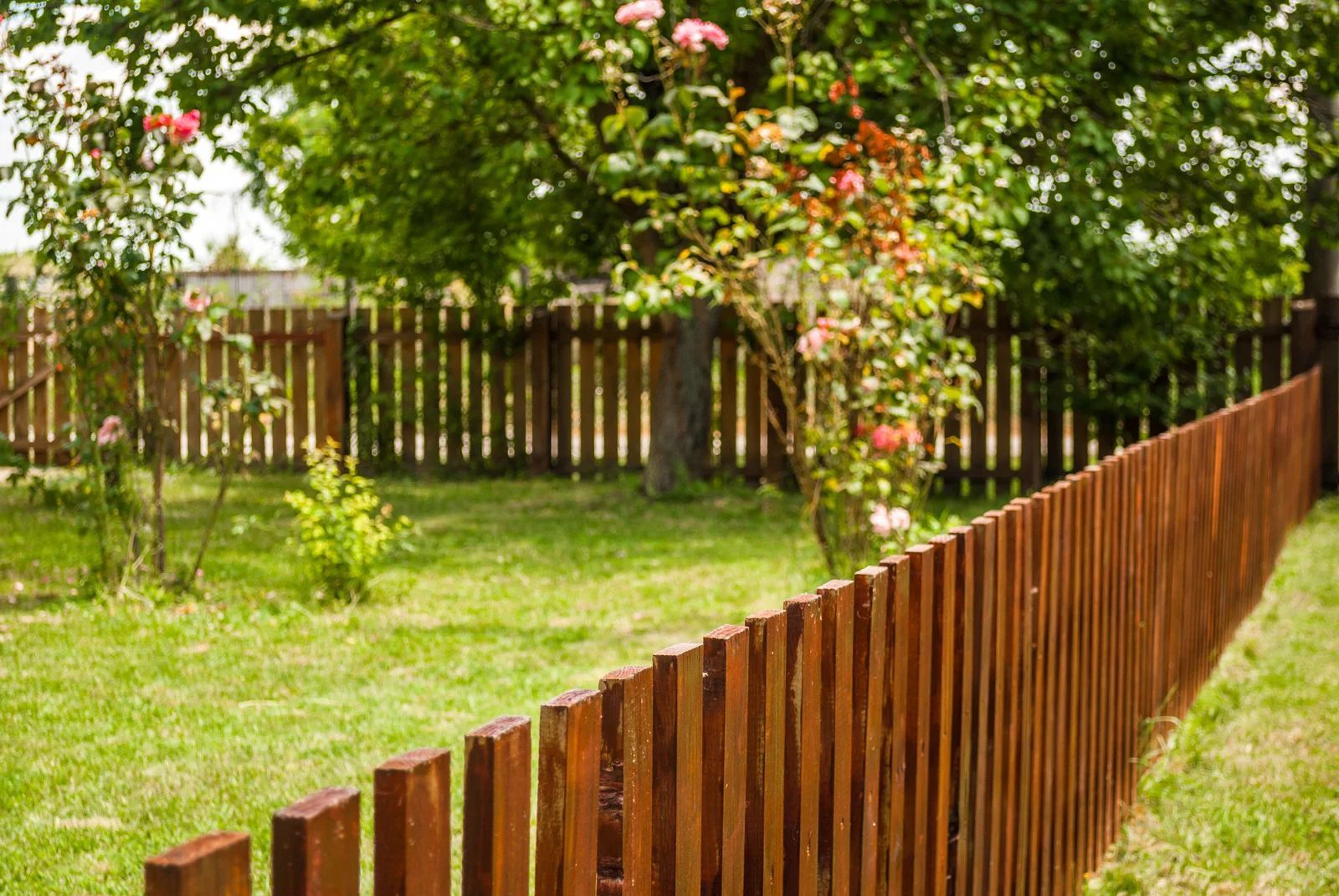
Vinyl works well where privacy matters. A solid vinyl panel has no openings and no footholds, and a good quality product holds its color and shape through hot summers and wet winters. Wood can also be built to meet the standard, although board spacing, rail placement, and weathering need extra attention, and in salt air wood needs more upkeep than the other two.
Whichever material you choose, the specific panel profile matters more than the category. Two aluminum fences can look nearly identical and have different picket spacing. Ask to see the actual measurements before you commit, not just a photo.
A Pre Swim Checklist
Before the first guest dives in, walk the barrier the way a small child would, and the way an inspector would.
- Is the top of the fence at least 48 inches above the ground along its entire length, including the low spots?
- Can you slide anything larger than a few inches under the bottom edge anywhere?
- Do the gaps between pickets or boards stay narrow enough to stop a 4 inch sphere?
- Is there anything outside the fence, such as a chair, a cooler, a planter, or a woodpile, that a child could stand on?
- Does the gate swing away from the pool, close fully on its own, and latch with a click every time?
- Is the latch release out of a small child's reach?
- Do the house doors that open to the pool have an alarm or another approved safeguard?
If you can answer yes to all seven, you are in good shape. If any answer is no, fix it before the water goes in, when changes are cheapest in effort and easiest on your schedule.
Frequently Asked Questions
Do I need the fence before I fill the pool?
Many offices expect the barrier in place before any water goes in, and a temporary one is often required during construction. Check timing with your county permit office and plan the fence alongside the pool.
Can a pool cover replace the fence?
A safety cover adds protection but is generally a separate layer, not a substitute for the barrier. Some rules accept a powered cover in specific situations, such as a hot tub. Confirm what your office accepts.
Is a 4 foot fence tall enough for a pool?
Four feet, or 48 inches, is the typical minimum height for the outside face of a residential barrier. Some properties benefit from a taller fence, particularly where ground slopes or climbing aids sit nearby.
Can I use the existing property fence around my pool?
Sometimes, but only if it meets the height, gap, and opening rules and has a proper gate. Many older farm and yard fences have wide spacing or rails on the wrong side, so they need modification.
What type of pool fence holds up best near the water?
Aluminum ornamental and quality vinyl both stand up well to salt air and humidity, provided the hardware resists corrosion. Wood works too, though it asks for noticeably more maintenance in a damp, coastal setting.
Who checks that my pool fence is acceptable?
Your county permit and inspection office typically reviews the barrier as part of the pool approval. Call them early to learn what they examine, what they need on the plan, and how they schedule inspections.
Put the Fence First and Swim With Confidence
The best pool days are the ones where nobody has to think about the water except to enjoy it. A well planned barrier makes that possible. It keeps small children and pets out of the pool area when no adult is watching, it keeps your project on schedule, and it gives you a clean, tidy edge to a space your family will use for years. Handled early, the fence quietly does its job while everyone else forgets it is there.
Start with the barrier in your plan, pick a material suited to the salt and moisture of the Eastern Shore, and give real thought to the gate. Country Living Fence LLC, based in Centreville, MD, has put over several
years into exactly these details across the region. Lay the fence line out around the final footprint rather than squeezing it in afterward, and the day the water is ready becomes the day you actually swim, with the barrier already standing and signed off.