Wood Fence Graying and Cupping in the Salt Air? Why Coastal Weather Is Tough on It
Quick Answer: A wood fence grays because sunlight breaks down lignin, the compound that binds and colors the wood fibers, and dark staining fungi then colonize the exposed surface, usually within six to twelve months of exposure. Boards cup and warp when one face takes on more moisture than the other and swells unevenly, which the constant wet-dry cycling near the water makes worse. Salt spray and wind-blown grit add surface abrasion on top of that. None of it is a defect in the fence, it is the wood reacting to a hard environment, and the right species, finish, and upkeep schedule slow it down considerably.
You put in a clean cedar or pine fence a couple of seasons ago, and already it has drifted from that warm honey color toward a flat, dull gray. Run your hand along the boards and some of them no longer sit flat, they curl at the edges or bow in the middle, and a few have opened up fine cracks that run with the grain. On a breezy afternoon off the water you can practically feel why, with damp salty air moving across the yard and grit blowing in off the field. It looks like the fence is failing early, and that is a frustrating thing to watch when the wood still felt new not long ago.
Here is the reassuring part. Almost all of what you are seeing is normal weathering, not rot and not a bad build, and it follows rules that are well understood. Wood is not a dead, static material once it goes in the ground. It keeps trading moisture with the air, it reacts to sunlight at the chemical level, and out here near the Chesapeake it does all of that under harder conditions than a fence would face inland. Once you understand what graying and cupping actually are, you can tell the difference between cosmetic aging and a real problem, and you can make choices that keep a wood fence looking good for far longer.
The Gray Is Sunlight Breaking Down the Wood's Surface
Lignin is the first thing to go
Wood is built from three main polymers: cellulose, hemicellulose, and lignin, the last of which acts like a glue binding the fibers together and carries much of the wood's natural color. Lignin strongly absorbs ultraviolet light, and when UV hits the surface it cleaves those molecules apart and kicks off a chain of free-radical reactions that keep degrading the surface layer. That photodegradation is confined to the top millimeter or two of wood, so it is a surface phenomenon rather than structural decay, but it is what starts the color change on every exposed board.
Then the fungi move in and turn it gray
Light-colored woods like pine and cedar first darken or yellow as degraded lignin fragments build up. The true gray comes next. Rain leaches those broken-down lignin pieces off the surface, leaving a cellulose-rich outer layer that dark, melanized staining fungi readily colonize. Those fungi are what actually produce the silvery-gray sheen, and on wood exposed outdoors that shift generally happens within six to twelve months depending on the climate. It is worth knowing this is a living, staining process on the surface, not the wood rotting through.
The shore gives you a cleaner, faster gray
In coastal settings where salt limits microbial activity, weathered wood often takes on an attractive silvery-gray rather than a blotchy, mildew-darkened one. That is the driftwood look, and some property owners genuinely like it. The tradeoff is that the same salt air and high humidity drive the surface degradation and the moisture movement along faster than a dry inland lot would. So the gray you get near the water can arrive sooner and read as more uniform, for better or worse depending on your taste.
Why the Boards Cup, Bow, and Check
Cupping is a moisture imbalance across the board
A board cups into a shallow concave curve when one face absorbs more moisture than the other and swells unevenly, pulling the edges up relative to the center. On a fence, the outer face bakes in the sun and dries hard while the shaded inner face stays damp longer, and that difference across the thickness is exactly what levers a flat board into a curl. The wetting and drying that drives it is a normal daily and seasonal cycle, but the wider the swing, the more the wood moves.
The wet-dry cycle here is relentless
Dimensional change from wood repeatedly wetting and drying generates surface stresses, and those stresses are what cause checking and warping over time. Near the Chesapeake you have high humidity, heavy dew, salt-laden air that holds moisture, and stretches of hard sun in between, so a shore fence rides that swelling-and-shrinking cycle harder than one on a dry lot. Every cycle asks the wood to move a little, and boards that were not dried, sealed, or fastened well simply move more.
Checking follows the same physics.
Those fine cracks running along the grain, called checks, come from the combination of photodegradation weakening the surface and the stresses of wetting and drying. They tend to open where the wood is naturally weakest, such as at growth-ring boundaries. Salt does its part too: wind-blown sand and salt particles abrade exposed wood surfaces, scouring away the softer early-growth fibers and leaving a rougher, more corrugated texture that then holds even more moisture. It compounds on itself, which is why an untreated shore fence can look weathered surprisingly fast.
Tip: Once or twice a year, press a thumbnail into a few boards low to the ground and near the posts. If the surface is gray but still firm, you are looking at normal weathering you can manage. If the wood gives easily and feels spongy, that is decay rather than cosmetic graying, and those sections should be looked at before the softness spreads to the framing.
Species and Density Change How Fast It Ages
Denser wood erodes more slowly
The rate at which weathering wears down a wood surface is inversely related to its density, so lighter, softer woods lose surface faster. As a benchmark, a low-density species like western red cedar erodes at roughly 12 millimeters per century when exposed vertically facing south, while a denser softwood such as Douglas fir loses closer to 6 millimeters and high-density hardwoods only about 3 millimeters over the same span. Those are slow rates, but they show the pattern: the softer the wood, the quicker the surface goes.
Each common fence wood behaves a little differently
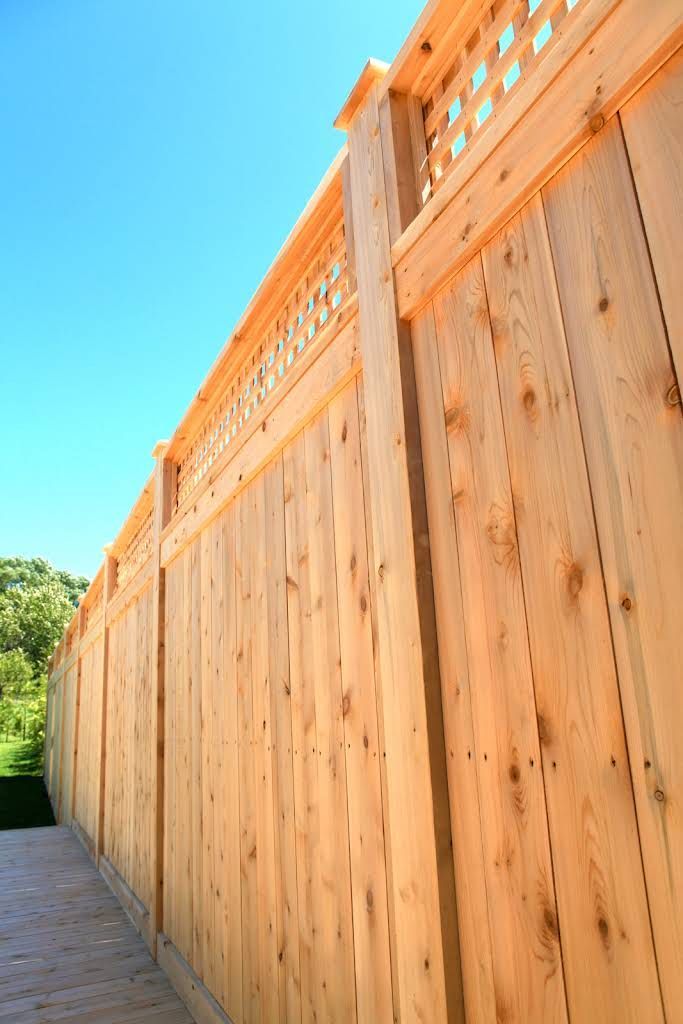
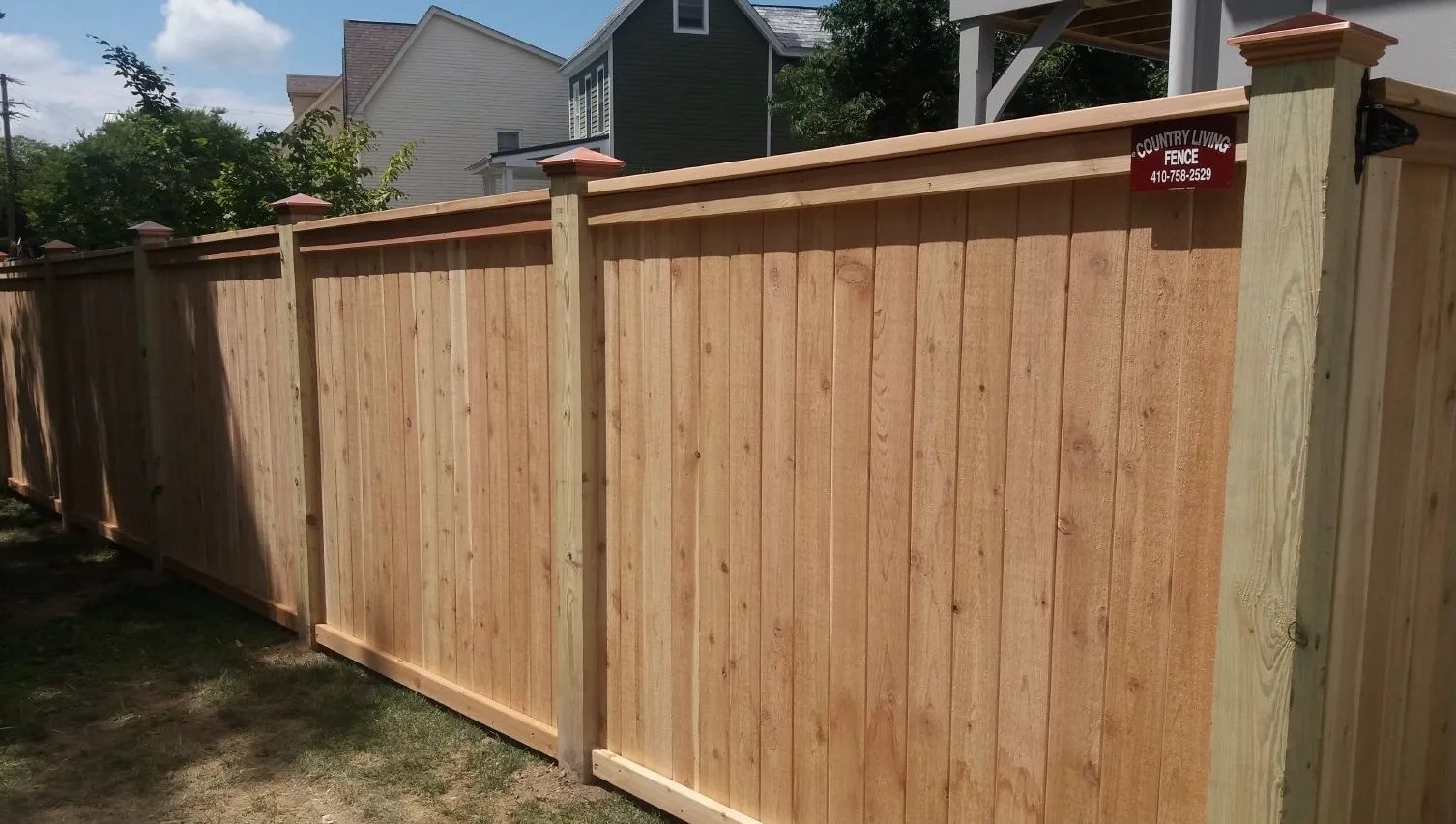
Cedar and cypress carry natural extractives that help them resist decay, which is why they hold up outdoors, but they are relatively soft and will still gray and erode on the surface like any exposed wood. Pressure-treated pine is protected against rot but is denser and prone to more movement as it dries out after installation, so it can cup and check more if it goes in wet. There is no fence wood that stays honey-colored and dead flat on its own outdoors. The choice is really about matching the species and grade to how much upkeep you want to do and how exposed the fence line is.
Warning: Do not seal a wood fence on the show face only and leave the back and the cut ends bare. Finishing one side while the other stays open is a recipe for cupping, because the two faces then take on and release moisture at very different rates and the board levers itself out of flat. Whatever you apply, apply it to all faces and especially the end grain, where wood drinks up water fastest.
What Actually Slows Graying and Warping Down
Pigmented finishes buy you the most time
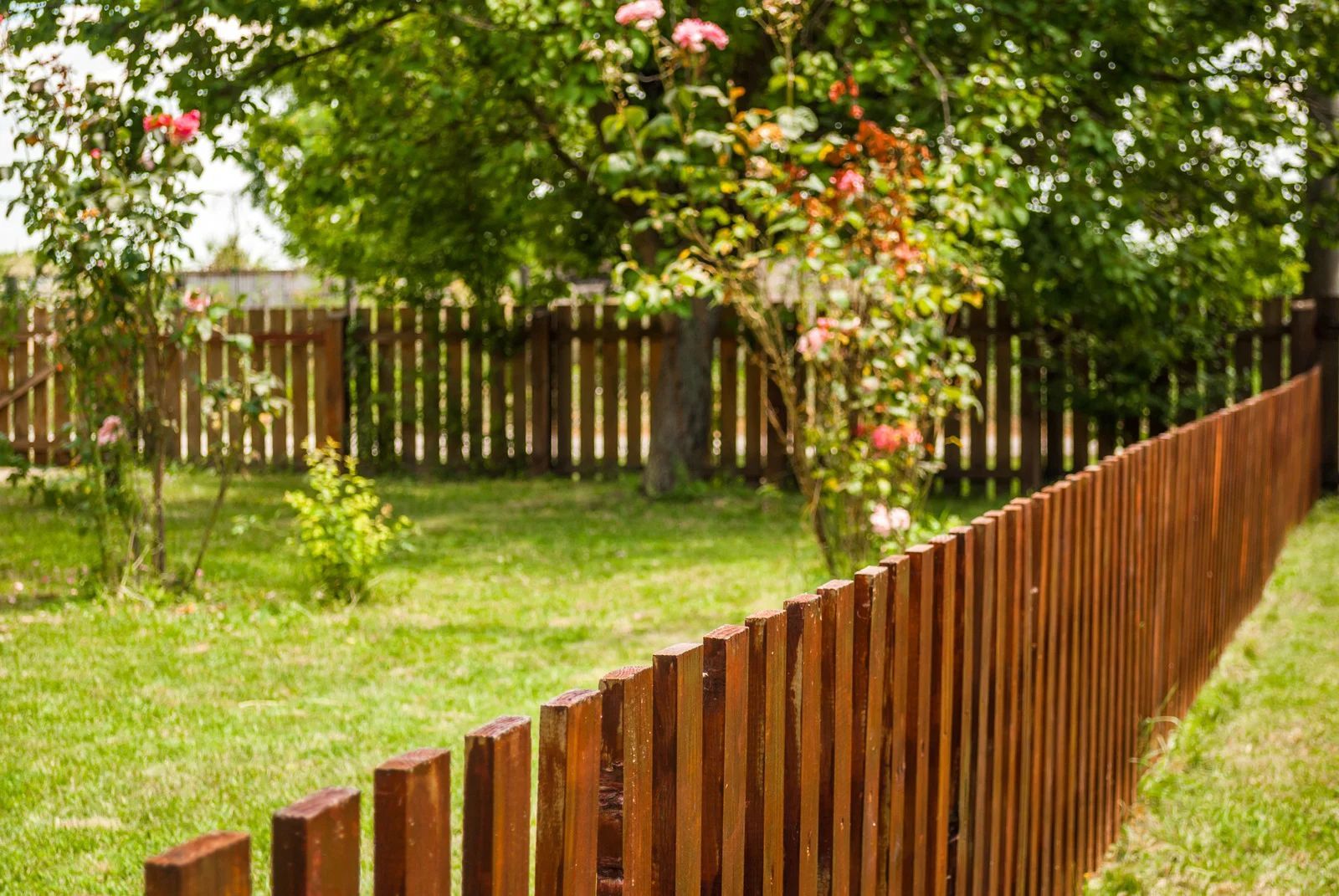
Clear finishes look tempting because they show off the grain, but they transmit light, so the wood underneath keeps photodegrading, and clear coatings on outdoor wood tend to fail by peeling and cracking within six months to two years. Penetrating semi-transparent stains do far better, because their pigment and UV additives screen the surface from sunlight while letting the wood breathe, and they generally protect for two to five years depending on the wood, the exposure, and how much you put on. On the shore, plan toward the shorter end of that window.
Fasteners and airflow matter as much as the finish
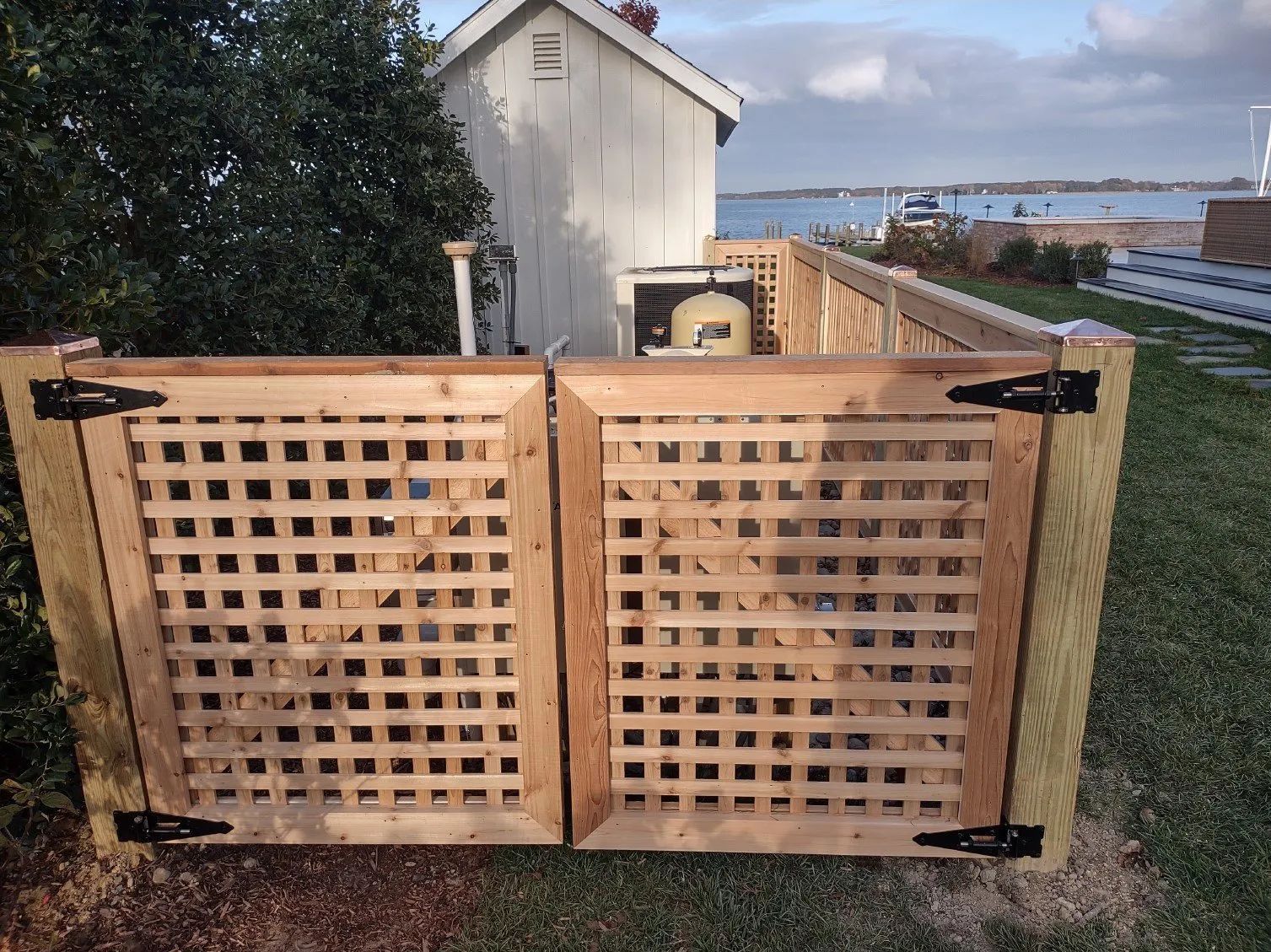
The right stainless or properly hot-dipped galvanized fasteners resist corrosion and staining in salty, humid air, where cheaper fasteners can react with the wood and streak it. Leaving proper gaps between pickets lets air move so boards dry evenly instead of trapping moisture against one face, which is the setup for cupping. Keeping the bottom of the fence up off wet ground and clearing vegetation that holds dampness against the boards all reduce the moisture load that drives both warping and decay.
Upkeep is a rhythm, not a one-time job
A shore fence that gets a clean and a fresh coat of quality stain on a regular cycle can shrug off the gray-and-cup pattern for years, while an untreated one leans into it fast. The work is not complicated: wash off the mildew and salt film, let the wood dry fully, and reapply a pigmented penetrating stain to every face before the last coat wears thin. Do that on schedule and the same fence that would have gone silver and wavy in a couple of seasons can hold its color and its line far longer.
Frequently Asked Questions
Is a gray wood fence rotting?
No. Gray color usually results from sunlight weathering and harmless surface fungi, not structural decay. Rot makes wood soft, weak, and crumbly. Firm boards with gray surfaces are generally weathered rather than damaged by rot underneath.
Can I get the original color back once it has gone gray?
Yes, often. Cleaning removes weathered fibers and surface discoloration, while applying a quality pigmented stain restores much of the wood's natural appearance. Severely eroded boards may not fully recover but usually improve significantly after treatment.
Why does my fence cup on the shore but my neighbor's inland does not?
Higher humidity, salt air, and repeated wet-dry cycles near the shore create uneven moisture within wood boards. This causes greater expansion and contraction, making coastal fences more likely to cup than similar inland fences over time.
Does salt air actually damage the wood, or just the metal parts?
Salt air affects both wood and metal. It accelerates hardware corrosion while abrasive salt particles wear wood surfaces, increasing moisture retention and weathering. Together, these conditions shorten fence lifespan without proper materials and maintenance over time.
Will staining stop the graying completely?
No. Staining slows weathering by blocking sunlight and reducing moisture absorption, but it cannot prevent graying forever. Regular reapplication maintains protection, while neglected finishes eventually wear away, allowing the wood surface to weather naturally again over.
Which wood holds up best against graying and cupping here?
Cedar and cypress naturally resist decay, while pressure-treated pine offers good rot protection. However, proper installation, quality fasteners, routine staining, and consistent maintenance usually influence long-term fence performance more than wood species alone significantly.
Reading Your Fence the Right Way
A wood fence that grays and cups on the Eastern Shore is not usually a fence that was built wrong or is falling apart. It is wood doing what wood does under a hard combination of sun, moisture, salt, and wind, and every part of it, from the lignin breaking down under UV to boards curling as one face wets faster than the other, follows a pattern you can now recognize. The gray is a surface stain over degraded fibers, the cupping is uneven moisture across the board, and the checking and roughness are wetting-and-drying stress plus salt abrasion. Knowing that lets you separate cosmetic aging, which you can manage, from real decay, which needs attention.
The practical takeaway is that the right species and grade, corrosion-resistant fasteners, proper airflow, all-face finishing, and a steady re-staining rhythm together decide whether your fence spends its life looking sharp or looking tired. Those are choices made at the design, build, and maintenance stages, not luck.
Schedule a wood fence assessment — Have your shore fence looked at before graying and cupping cross the line into real damage.
Country Living Fence LLC, with several years of experience serving Centreville, MD, and the surrounding region, can tell you whether your boards need cleaning and re-staining, targeted board replacement, or a rebuild in a species and finish better suited to salt air. Reach out to set up an evaluation and a plan to keep your fence holding its color and its line for years.