How to Maintain Your Fence Through Maryland Winters?
Maryland winters bring a unique set of challenges for homeowners, especially when it comes to maintaining fences. From icy precipitation to fluctuating temperatures, the harsh winter climate can cause significant wear and tear on wooden, vinyl, and metal fences alike. Many homeowners underestimate the impact of snow, freezing rain, and strong winds, only to face issues like warped panels, rusted components, and weakened posts when spring arrives. Understanding how to properly prepare and maintain your fence during the cold months is essential for ensuring its longevity and functionality.
Proactive fence maintenance not only preserves the aesthetic appeal of your property but also saves you from costly repairs or premature replacement. Implementing seasonal care strategies can prevent common winter-related damage such as rot, cracking, and metal corrosion. Whether you have a decorative privacy fence, a functional chain-link barrier, or a classic picket design, taking steps to fortify your fence before and during winter can make a substantial difference. In this blog, we will explore expert-recommended methods for maintaining your fence through Maryland winters, offering practical advice, real-world scenarios, and actionable tips to protect your investment and keep your fence standing strong year after year.
1. Inspecting Your Fence Before Winter
Conduct a Thorough Pre-Winter Inspection
Before the first frost or snowfall, it is critical to conduct a detailed inspection of your fence. Walk along the perimeter of your property, checking for loose or damaged panels, unstable posts, and any signs of rot or rust. Wood fences are particularly vulnerable to cracking and splitting due to temperature fluctuations, while metal fences can develop corrosion if protective coatings are compromised. Identifying weak spots ahead of time allows for timely repairs, preventing minor issues from escalating during harsh winter conditions.
Key Areas to Examine
Focus on joints, gates, and posts during your inspection. Gates are prone to sagging in freezing temperatures, so ensure hinges are properly lubricated and aligned. For wood fences, inspect for signs of water damage or insect activity that could worsen with snow accumulation. Metal components, including screws and brackets, should be checked for rust or wear. Documenting these issues early enables homeowners to address them before winter storms exacerbate the damage.
Benefits of Early Inspection
Early inspection provides multiple advantages, such as reducing repair costs, minimizing safety hazards, and maintaining property aesthetics. By addressing vulnerabilities proactively, you extend the lifespan of your fence and enhance its ability to withstand winter conditions. Professionals often recommend scheduling this inspection in late fall, giving you ample time to implement necessary reinforcements.
2. Cleaning and Preparing Fences for Winter
- Removing Debris and Vegetation:- Accumulated debris, leaves, and overgrown vegetation can trap moisture against your fence, accelerating rot and corrosion. Clearing debris from the base of the fence and trimming nearby bushes or tree branches helps improve airflow and prevents snow from accumulating excessively against panels. Wood fences benefit particularly from this practice, as trapped moisture can lead to mold or mildew during thawing periods.
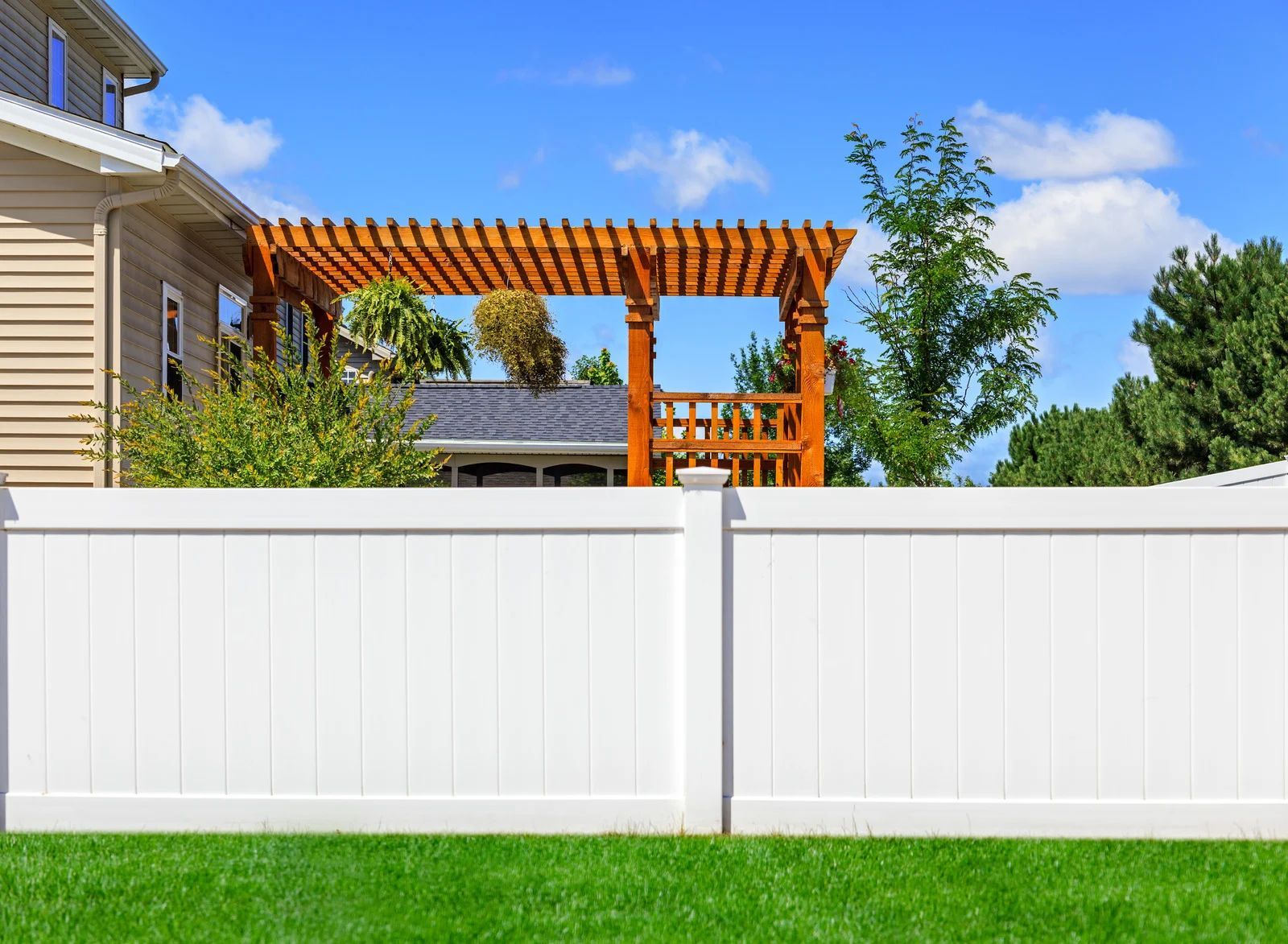
- Washing and Treating the Surface:- For wooden fences, consider a gentle wash with a mild detergent to remove dirt and prevent decay. Vinyl fences can also be cleaned to remove grime that may scratch or discolor surfaces during winter. Metal fences should be scrubbed with a soft brush to eliminate rust-prone particles. Following cleaning, applying a protective sealant or weatherproof coating to wood, or rust-resistant treatment to metal, significantly enhances durability against snow, ice, and freezing temperatures.
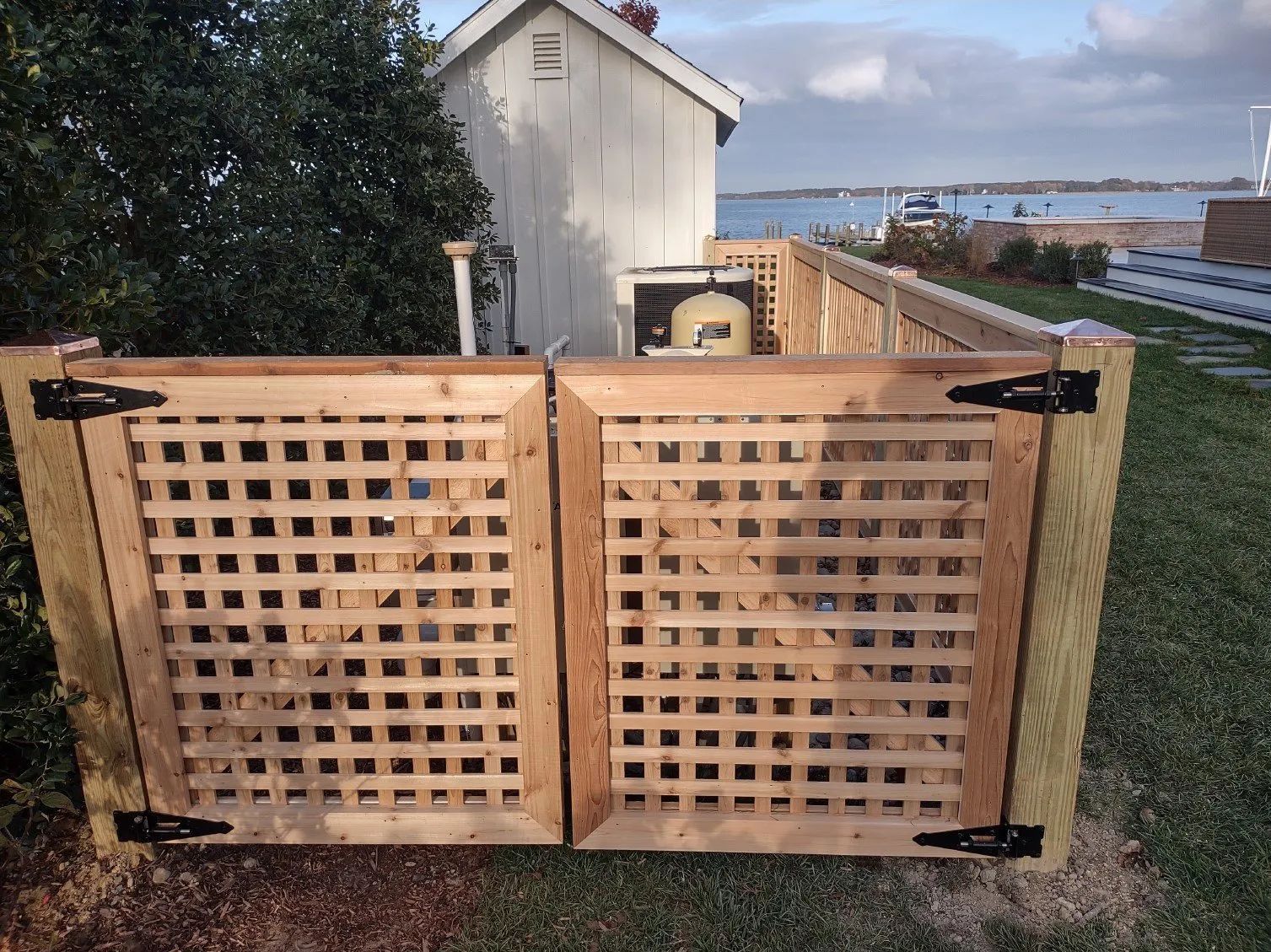
- Lubricating Moving Parts:- Gates and latches often stiffen in cold weather, making them more prone to breaking. Applying lubricant to hinges, locks, and sliding components ensures smooth operation and prevents unnecessary strain. This small step can prevent frustrating gate malfunctions and avoid damage during snow removal or windy conditions.
3. Protecting Wood Fences from Moisture and Rot
Choosing the Right Sealant
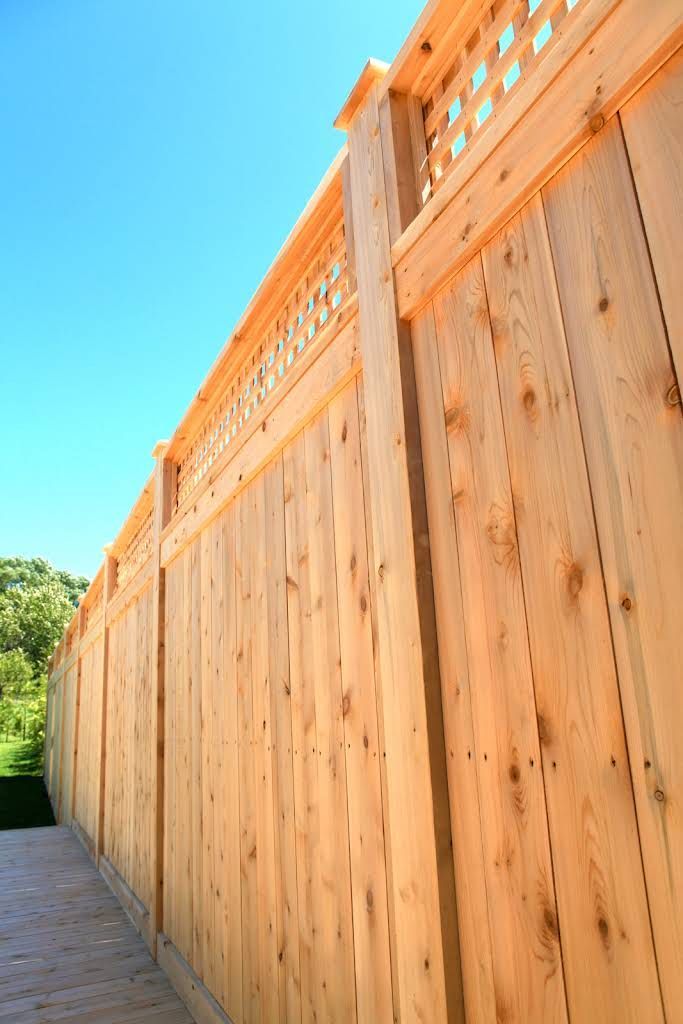
Wood fences are particularly susceptible to moisture penetration during Maryland winters. A high-quality, water-resistant sealant provides an effective barrier against snow and ice. Sealants should be applied evenly along all exposed surfaces, including posts, rails, and panels, to create comprehensive protection. Using a sealant designed specifically for exterior wood ensures better adhesion and longer-lasting performance.
Addressing Cracks and Splits
Even small cracks in wood can expand during freezing and thawing cycles, compromising structural integrity. Inspect your fence carefully and fill any gaps with wood filler or caulk designed for exterior use. Sanding and sealing the repaired areas ensures a seamless finish and prevents water infiltration during snowstorms or ice formation.
Elevating Fence Bases
If your fence posts sit directly in the soil, consider adding gravel or a drainage layer at the base to reduce prolonged moisture exposure. Excess water pooling around posts during snow melt can accelerate rot and cause uneven settling. Proper drainage extends the life of your fence by maintaining structural stability.
4. Protecting Metal Fences from Rust and Corrosion
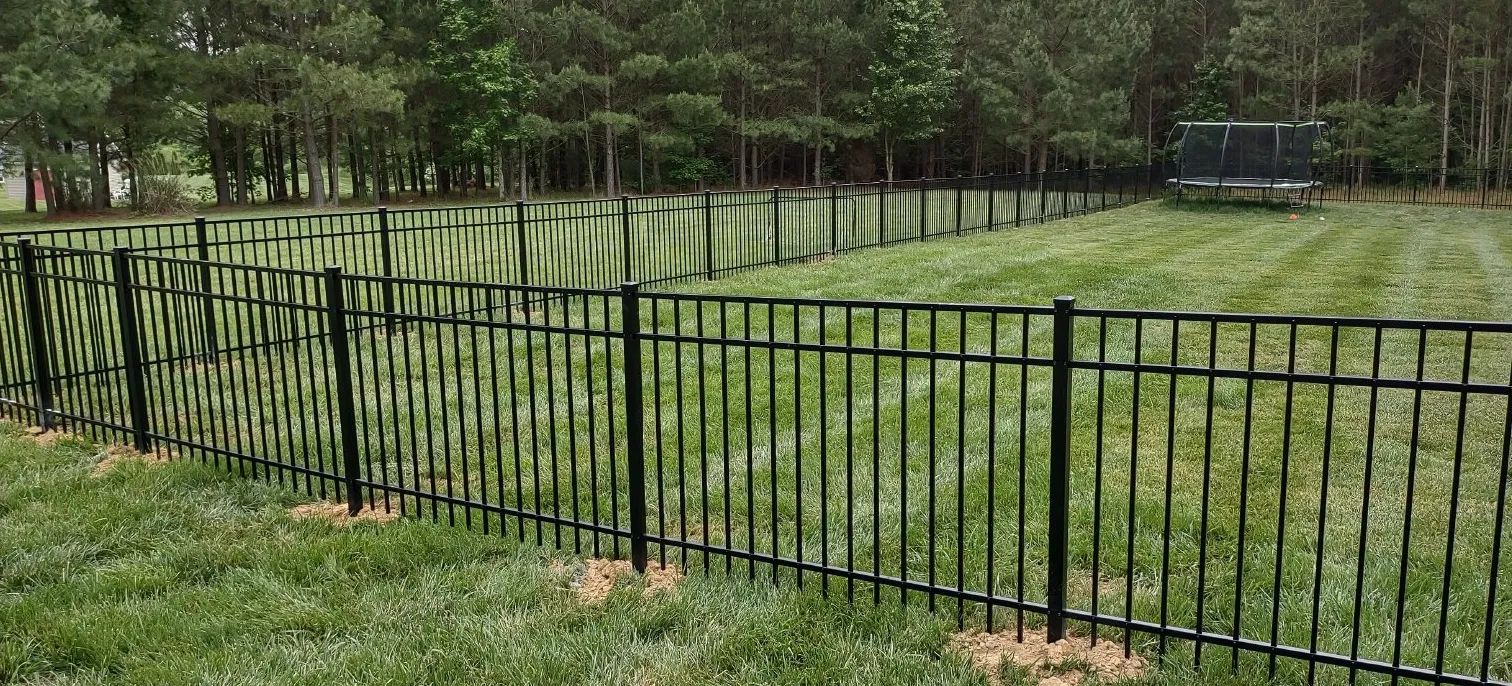
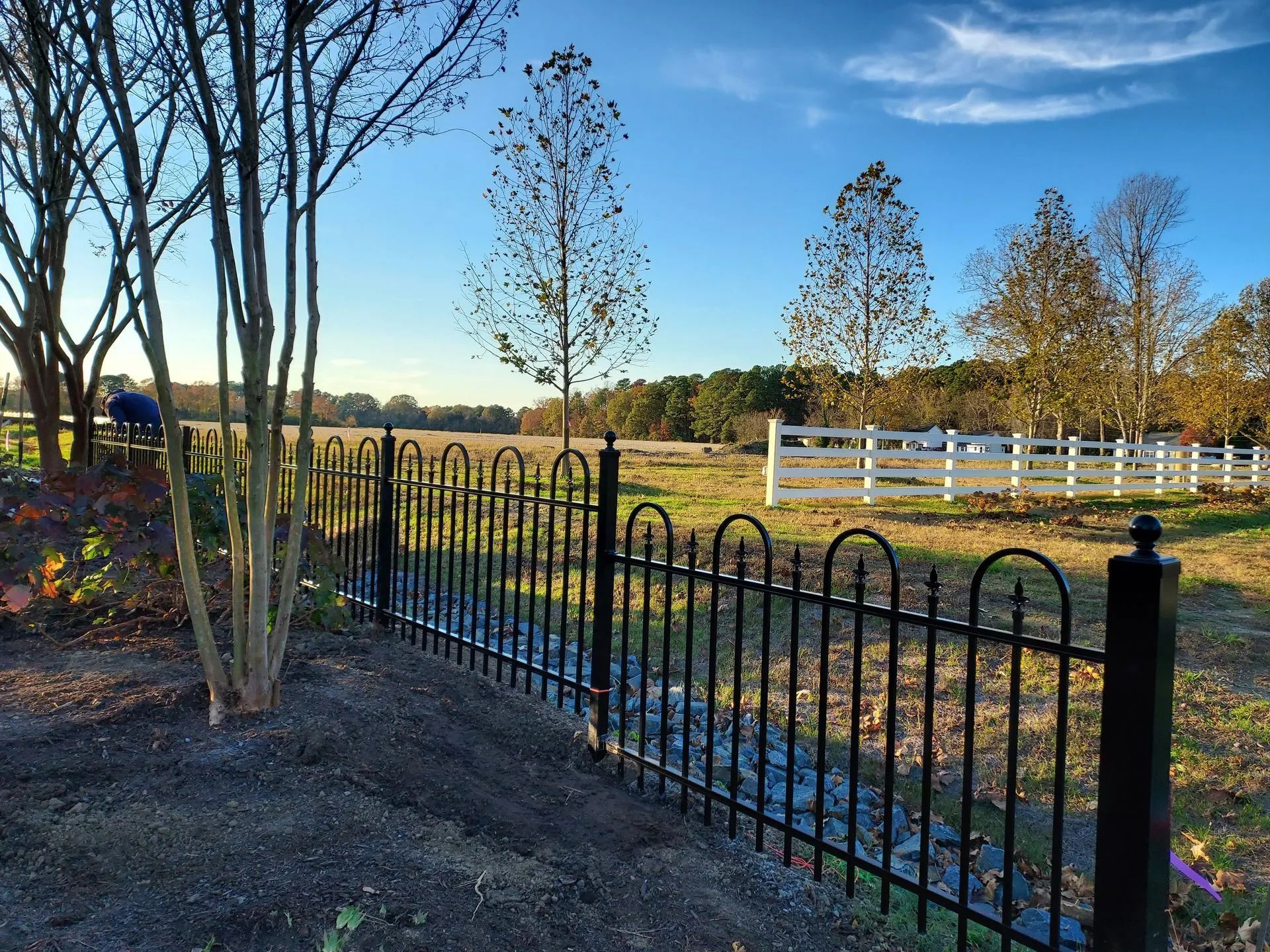
- Applying Rust Inhibitors:- Metal fences are prone to corrosion when exposed to snow, ice, and road salt. Prior to winter, apply a rust-inhibiting primer or spray to all metal components, including posts, panels, and brackets. This creates a protective barrier that reduces oxidation and prolongs the lifespan of your fence.
- Touching Up Paint and Coatings:- Peeling paint or damaged powder coatings can leave metal surfaces vulnerable to rust. Inspect for compromised areas and apply touch-up paint or a suitable protective coating. Maintaining the aesthetic finish also prevents further deterioration and strengthens the fence against harsh winter elements.
- Avoiding Salt Damage:- If your property is near salted roads or driveways, be mindful of salt exposure. Salt accelerates corrosion and can weaken metal fences over time. Washing down metal fences with water after significant salt contact helps remove residues and prevents long-term damage.
5. Managing Snow and Ice Accumulation
Clearing Snow Regularly
Heavy snow accumulation can exert significant pressure on fences, leading to sagging or structural failure. Use a soft broom or brush to gently remove snow from the fence surface, avoiding sharp tools that could damage wood or metal. Clearing snow promptly reduces stress on panels and prevents prolonged moisture exposure that can lead to rot or corrosion.
Preventing Ice Dams
Ice buildup along the top rails or around posts can cause splitting in wood fences or bending in metal structures. Avoid using salt directly on fences to melt ice, as this can accelerate material degradation. Instead, use warm water to gently remove ice or allow natural thawing while monitoring for excessive weight on the fence.
Supporting Vulnerable Sections
For fences with long panels or historically weak spots, consider temporary bracing during extreme winter storms. Using stakes or supports can help maintain alignment and reduce the risk of permanent damage. This proactive measure is especially useful for older fences or areas prone to heavy snow accumulation.
6. Seasonal Maintenance Best Practices
- Regular Winter Checks:- Even after preparing your fence for winter, periodic checks throughout the season are essential. Look for leaning posts, sagging panels, or signs of stress from wind and snow. Early detection allows for small repairs before they escalate into larger problems in spring.
- Spring Maintenance Planning:- Preparing for spring while still in winter can save time and effort. Plan for resealing wood fences, repainting metal surfaces, or replacing any damaged panels. Proper winter care ensures that spring maintenance focuses on enhancement rather than restoration.
- Expert Tips and Insights:- Professionals recommend using high-quality materials designed for seasonal durability. Pressure-treated wood, powder-coated metal, and UV-resistant vinyl perform better under fluctuating temperatures. Combining quality materials with consistent winter care creates fences that not only survive Maryland winters but remain visually appealing and structurally sound for years.
Guarding Your Fence Against Extreme Weather Impact
Wind Damage Prevention
Maryland winters often bring strong gusts that can compromise fences. Ensure posts are deeply anchored and consider additional support for longer panels. Reinforcing fence corners and gates reduces swaying and prevents sections from detaching during storms.
Tree and Branch Management
Snow-laden branches can fall onto fences, causing significant damage. Prune nearby trees before winter to minimize the risk of heavy branches breaking under snow or ice weight. This simple precaution protects both fences and surrounding property.
Emergency Repairs
Keep essential repair tools and materials on hand during winter. Quick fixes, such as tightening brackets, replacing broken panels, or securing leaning posts, prevent minor issues from becoming major structural problems. Having a repair plan and materials ready reduces stress and repair costs during harsh weather.
Maximizing Fence Life Through Seasonal Maintenance Plans
Maintaining a fence through Maryland winters requires careful planning, proactive inspection, and seasonal attention to detail. By cleaning, sealing, and protecting wood and metal fences, homeowners can prevent common winter damages such as rot, rust, and structural failure. Regular monitoring, snow removal, and attention to weak points further safeguard the integrity of your fence. Implementing these strategies not only preserves aesthetics but also extends the functional life of your investment, ensuring your fence remains reliable and visually appealing year after year.
At Country Living Fence LLC, based in Centreville, MD, we specialize in providing expert guidance and
professional fence maintenance solutions. With several
years of experience serving Maryland homeowners, our team understands the unique challenges posed by winter weather. We offer high-quality installation, seasonal inspections, and maintenance services designed to protect your fence through the harshest conditions. Trust our professionals to keep your fence strong, durable, and beautiful, allowing you to enjoy peace of mind no matter the season. Your property deserves the best, and we are committed to delivering it.