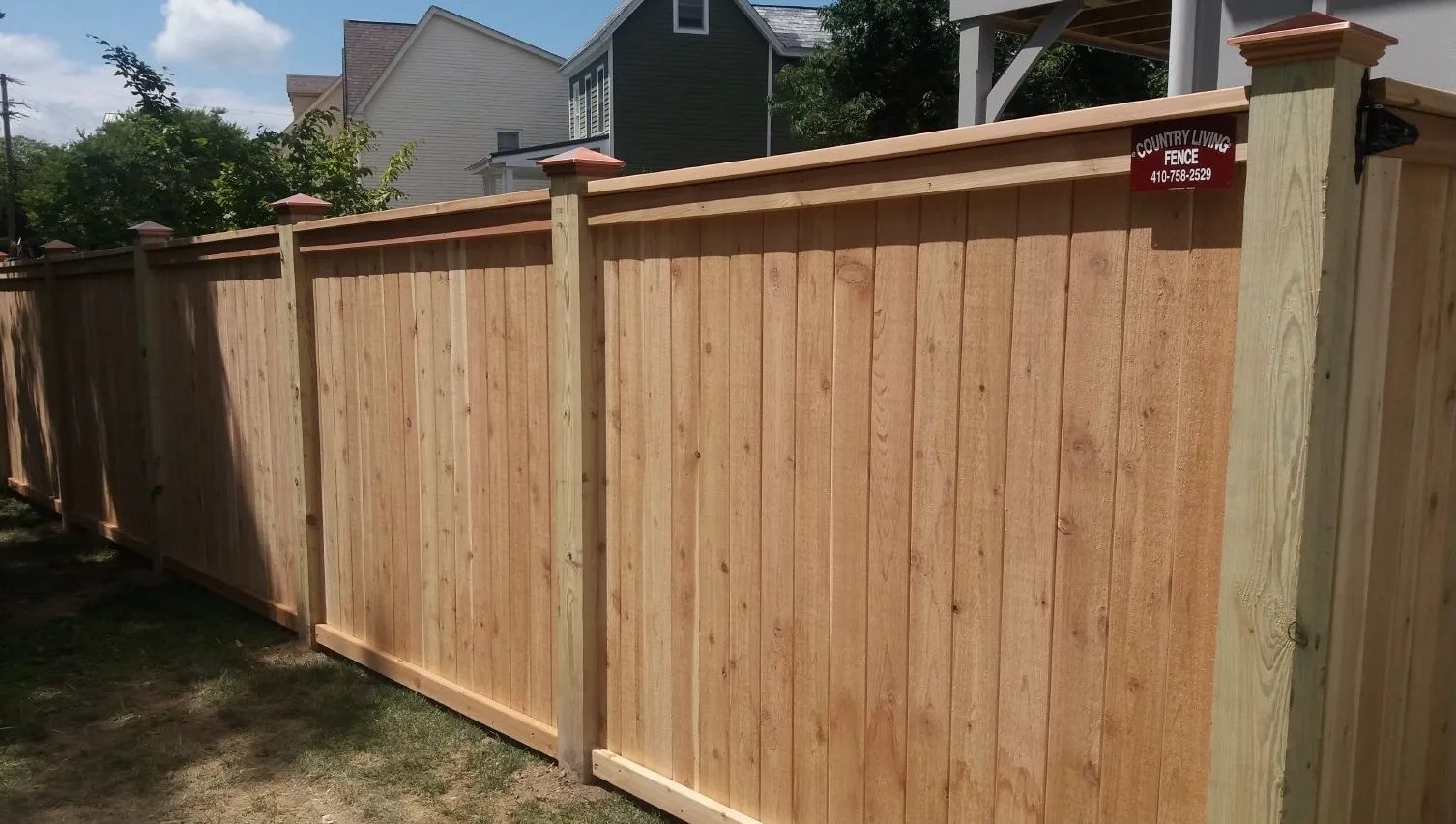
How Long Does a Wood Fence Last and What Affects Its Lifespan?
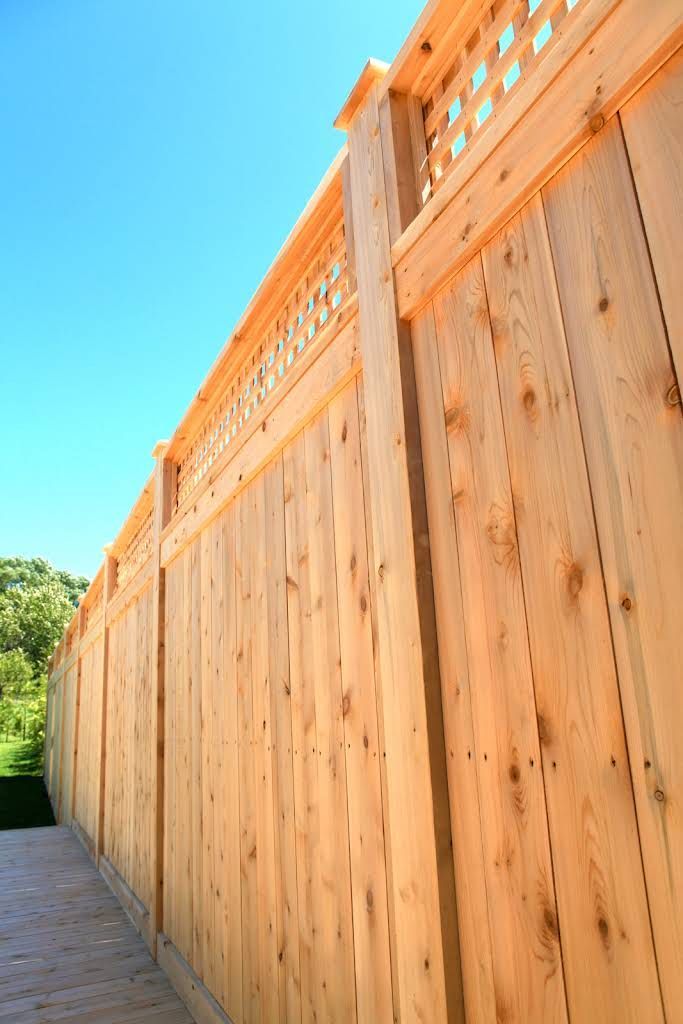
A wood fence does more than mark a property line. It adds character, provides privacy, and gives a yard a sense of definition that other materials simply cannot replicate. Homeowners across the country choose wood fencing for its natural warmth and versatility, and with the right species and proper maintenance, a wood fence can serve a property for decades. But the real question most homeowners face is not whether to choose wood, but how long they can realistically expect it to last before repairs or replacement become necessary.
The answer is not as simple as a single number. Wood fence lifespan depends on a combination of factors, from the species of wood selected to the local climate, soil conditions, installation quality, and the level of upkeep applied over the years. Understanding these variables helps homeowners make smarter decisions upfront and protect their investment long after installation day. Whether you are planning a new fence or evaluating an existing one, knowing what drives longevity puts you in a much stronger position.
Average Lifespan of a Wood Fence by Species
Common Wood Species and Their Expected Lifespan
The type of wood you choose is the single most influential factor in determining how long a fence will last. Not all wood species respond to weather, moisture, and insects the same way.
| Wood Species | Average Lifespan | Rot Resistance |
|---|---|---|
| Cedar | 15 to 30 years | High |
| Redwood | 20 to 30 years | Very High |
| Pine (pressure treated) | 15 to 25 years | Moderate to High |
| Spruce | 4 to 7 years | Low |
| Oak | 10 to 20 years | Moderate |
Cedar and redwood are considered the gold standard for wood fencing because both species contain natural oils that repel moisture and resist decay without chemical treatment. Pressure treated pine is a practical and widely available alternative that undergoes a chemical preservation process to extend its service life. Spruce and untreated softwoods, on the other hand, degrade quickly in outdoor conditions and are not recommended for fencing in areas with heavy rain or humidity.
Choosing the right species for your region is not just a preference, it is a long term decision that determines how much maintenance you will need and how many years the fence will remain structurally sound.
How Climate and Weather Conditions Affect Wood Fences
Even the highest quality wood fence will deteriorate faster when exposed to harsh or inconsistent weather. Climate is one of the most significant external variables in fence longevity.
Moisture and Rain
Moisture is the primary enemy of wood fencing. Repeated cycles of rain exposure followed by drying out cause the wood to expand and contract, which leads to cracking, warping, and splitting over time. In coastal regions or areas with high annual rainfall, untreated wood can begin showing visible decay within just a few years.
Humidity and Heat
In hot, humid climates, wood is prone to mold, mildew, and rot, particularly at the base of fence posts where moisture collects near the soil. Southern states and coastal zones require more frequent sealing and inspection schedules than dry inland regions.
Freeze and Thaw Cycles
Cold climates introduce a different type of stress. When water trapped inside wood freezes and expands, it forces the wood fibers apart, accelerating cracking and weakening the overall structure. Posts that are not properly set below the frost line are also vulnerable to heaving out of position during winter months.
Understanding your local climate allows you to select the right wood species, apply the appropriate sealants, and set realistic expectations for how often the fence will need attention.
Installation Quality and Its Long Term Impact
Even the best wood will fail prematurely if the fence is not installed with care. Installation decisions made on day one affect the fence for its entire lifespan.
- Post Setting and Depth:-
Fence posts are the foundation of any wood fence, and their installation depth matters enormously. The general rule is that one third of the post length should be buried underground. For a six foot fence, that means posts should be set at least two feet into the ground. Posts set too shallow are prone to leaning, especially in areas with soft or sandy soil.
- Concrete Footing Versus Gravel:- Concrete footings provide stability and are commonly used for gate posts and corner posts. However, concrete that traps moisture against the wood can accelerate rot at the base of the post. Gravel footings allow water to drain away from the wood, which can actually extend post life in certain soil conditions.
- Hardware and Fasteners:- Galvanized or stainless steel fasteners resist rust and hold their grip much longer than standard nails or screws. Using inferior hardware causes fence boards to loosen and pull away from the rails within just a few years, even when the wood itself is still in good shape.
Proper installation is not a corner you can cut. A fence installed on solid fundamentals will outlast a fence built with good materials but poor technique.
Maintenance Practices That Extend Wood Fence Life
Maintenance is where most homeowners either protect their investment or quietly watch it deteriorate. A consistent maintenance routine can add years, sometimes even decades, to a wood fence.
Sealing and Staining
Applying a quality wood sealant or stain every two to three years is one of the most impactful things a homeowner can do. Sealants create a water resistant barrier that prevents moisture from penetrating the wood grain, while stains add UV protection that prevents the wood from drying out, graying, and cracking under sun exposure.
Cleaning
Mold, mildew, and dirt accumulation trap moisture against the wood surface. Washing the fence annually with a mild detergent or an approved wood cleaner removes biological growth before it has a chance to take hold.
Inspections
Walking the fence line each spring and fall allows you to catch early signs of trouble. Look for posts that have begun to lean, boards with cracks or splits, soft spots near the base of posts, and any areas where paint or sealant has peeled away. Addressing minor damage early prevents it from spreading to neighboring sections.
Vegetation Control
Vines, shrubs, and grass growing directly against the fence hold moisture against the wood and block airflow. Keeping vegetation trimmed away from the fence allows the wood to dry out naturally after rain, which significantly reduces the risk of rot.
Signs Your Wood Fence Is Reaching the End of Its Life
Even a well maintained fence will eventually show signs that repair or replacement is on the horizon. Knowing what to look for helps you plan ahead rather than react to a sudden failure.
- Structural Warning Signs:-
Leaning or wobbly posts that cannot be re set are a major indicator. If the post has rotted below ground, no amount of surface treatment will restore its stability. Boards that are warped beyond straightening, cracked through their full depth, or crumbling at the edges have reached the end of their useful life.
- Surface Deterioration:-
Gray, weathered wood that has never been sealed is not just cosmetic damage. Graying indicates that the natural oils have been depleted and the wood has become dry and brittle, making it far more susceptible to cracking and splitting in cold weather or under impact.
- Widespread Rot:-
Isolated rot can often be addressed by replacing individual boards or posts. When rot is present in multiple sections across the fence, particularly at ground level, it typically indicates systemic moisture exposure that has affected the entire structure. At that point, full replacement is more practical than piecemeal repair.
Reliable Craftsmanship That Stands Behind Every Fence We Build
Wood fence lifespan is not fixed. It is shaped by the species you select, how the fence is installed, the climate it faces, and how consistently it is maintained over the years. Cedar and redwood offer the longest natural service life, but even more affordable options like pressure treated pine can perform well for decades when paired with proper care. Posts set at the right depth, quality hardware, timely sealing, and routine inspections all work together to protect the investment from the moment installation is complete. For homeowners weighing options or trying to get more years out of an existing fence, the principles covered here apply regardless of fence style or property type. Wood fencing rewards attention and suffers from neglect. The more informed your decisions at every stage, the longer your fence will stand.
At Country Living Fence LLC, we bring several
years of hands on fence contracting experience to every project we take on in Centreville, MD and the surrounding region. We understand that a
wood fence
is a long term investment, and we approach every installation with that in mind. From species selection and post depth to hardware choices and finishing recommendations, we guide our clients through every decision that affects how long their fence will perform. Our knowledge of local soil conditions, climate patterns, and the specific demands of Eastern Shore properties allows us to build fences that are not just attractive on day one, but durable for years to come. When you work with us, you get a fence built with the kind of craftsmanship that holds up through every season this region delivers.
FAQs
1. How long does a cedar wood fence typically last?
A cedar fence installed with proper technique and maintained with regular sealing can last between 15 and 30 years, depending on climate and soil conditions in your area.
2. Does pressure treated wood last longer than cedar for fencing?
Pressure treated pine offers comparable durability in many regions, lasting 15 to 25 years, though cedar's natural oils give it an advantage in wet or humid climates where chemical treatments can leach out over time.
4. Can a rotting fence post be repaired without replacing the whole fence?
Yes, in many cases a single rotted post can be replaced without disturbing the surrounding fence structure. The key is catching the rot early before it spreads to adjoining rails and boards.
5. What is the biggest mistake homeowners make with wood fences?
Skipping regular maintenance is the most common issue. Many homeowners install a fence and assume it requires no attention for years, when in reality a simple annual cleaning and periodic sealing routine makes an enormous difference in how long the fence holds up.