Keeping Horses Safe in the Pasture? Why Fence Type Matters More Than You'd Think
Quick Answer: The safest horse pasture fence is one a horse can see, cannot get a hoof through, and cannot lean on or kick apart. Plain board, closely spaced mesh, and rigid vinyl rail tend to do this well, while barbed wire and wide woven wire cause the most serious injuries. Perimeter fences are usually built at least 5 feet tall, or 6 feet for tall breeds and jumpers, with the bottom rail 10 to 12 inches off the ground so a hoof cannot slip under it. The right choice depends on your horses, your herd, and your ground.
You walk out to the barn on a cold morning and one of your mares is standing a little too still. There is a cut on her hind leg, and the wire along the low corner of the field is bent where she must have struck it in the dark. Nothing about the fence looked wrong yesterday. It was standing, it was tight, and it held the horses in. Yet it is the reason you are calling the vet before breakfast.
That is the problem with judging a horse fence by whether it keeps animals contained. A fence that contains is the minimum. A horse is a large, fast, easily frightened animal with thin lower legs, and when something catches a foot or a head, the instinct is to fight it, not to stand and wait. The fence type you choose decides how often a bad moment turns into an injury.
This article looks at how different fence types behave around horses, what to look for in visibility and layout, and how Eastern Shore ground and weather change the picture.
A Horse Fence Has to Fail Gently
Cattle fence and horse fence are not the same thing, even though they can look similar from the road. Cattle push, lean, and graze along a line. Horses run it, spook at it, kick it, and sometimes jump it. When a horse hits a fence at speed, the best outcome is a surface that gives a little without cutting, and the worst is a rigid line of wire that holds firm and slices.
A survey of horse owners by an equine research center in Ontario looked at what kinds of fences were involved when horses were hurt. Barbed wire, high tensile wire, and woven or welded wire together accounted for most of the injuries, and a large share of those were serious. Closely spaced diamond mesh had a far lower injury rate, and the injuries that did happen were minor. Post and board fences accounted for a smaller share, but many of those injuries came from horses running into boards or kicking them until they splintered. Rigid vinyl plank and rail reported no injuries in that survey. The sample was small, so treat it as a pattern and not a promise, but the pattern matches what people who work with horses see every day.
The lesson is not that one material is perfect. It is that each fence type has a particular way of hurting a horse, and the right choice is the one whose weak point matches the least risk on your property.
How Each Fence Type Behaves Around Horses
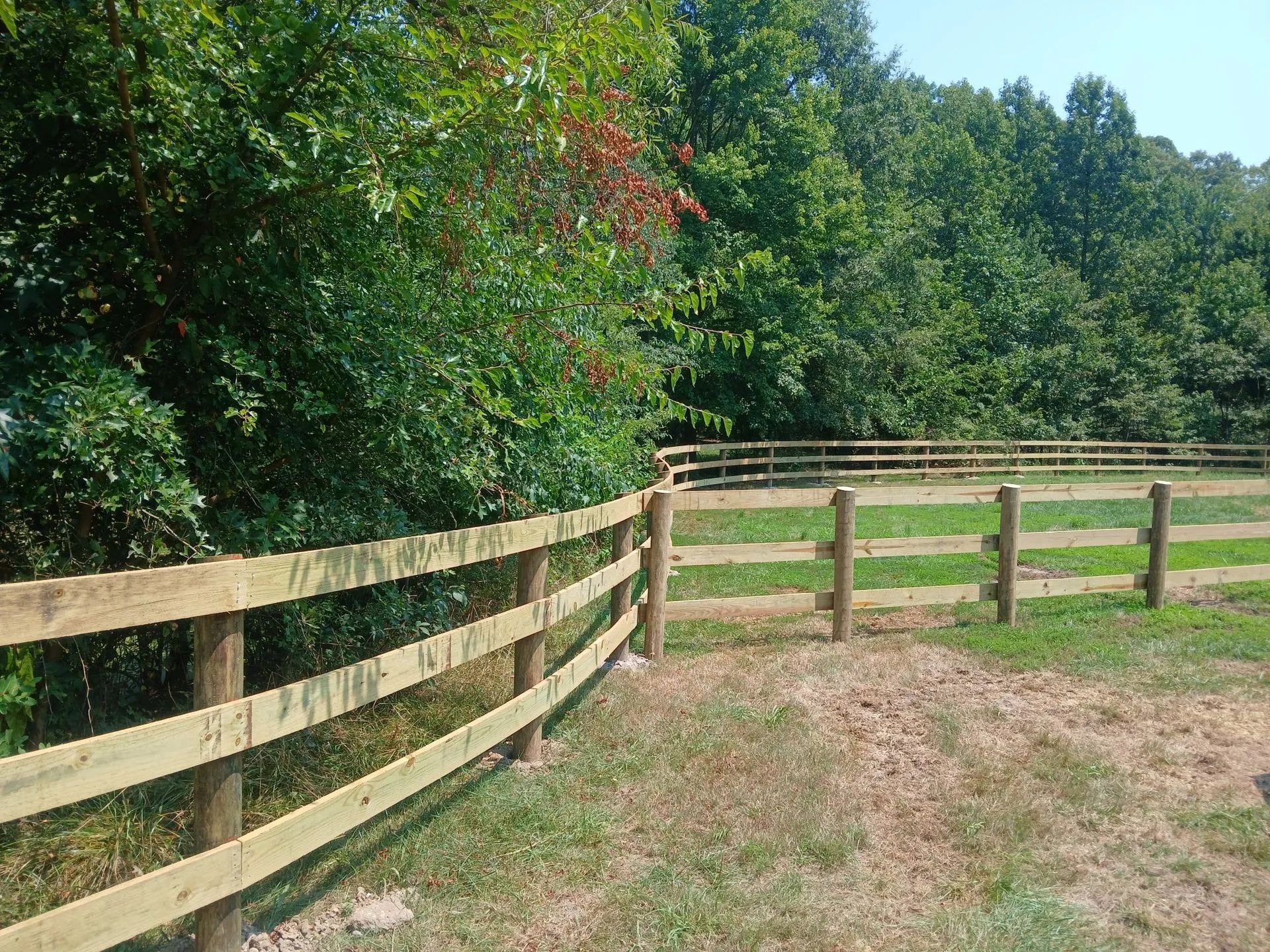
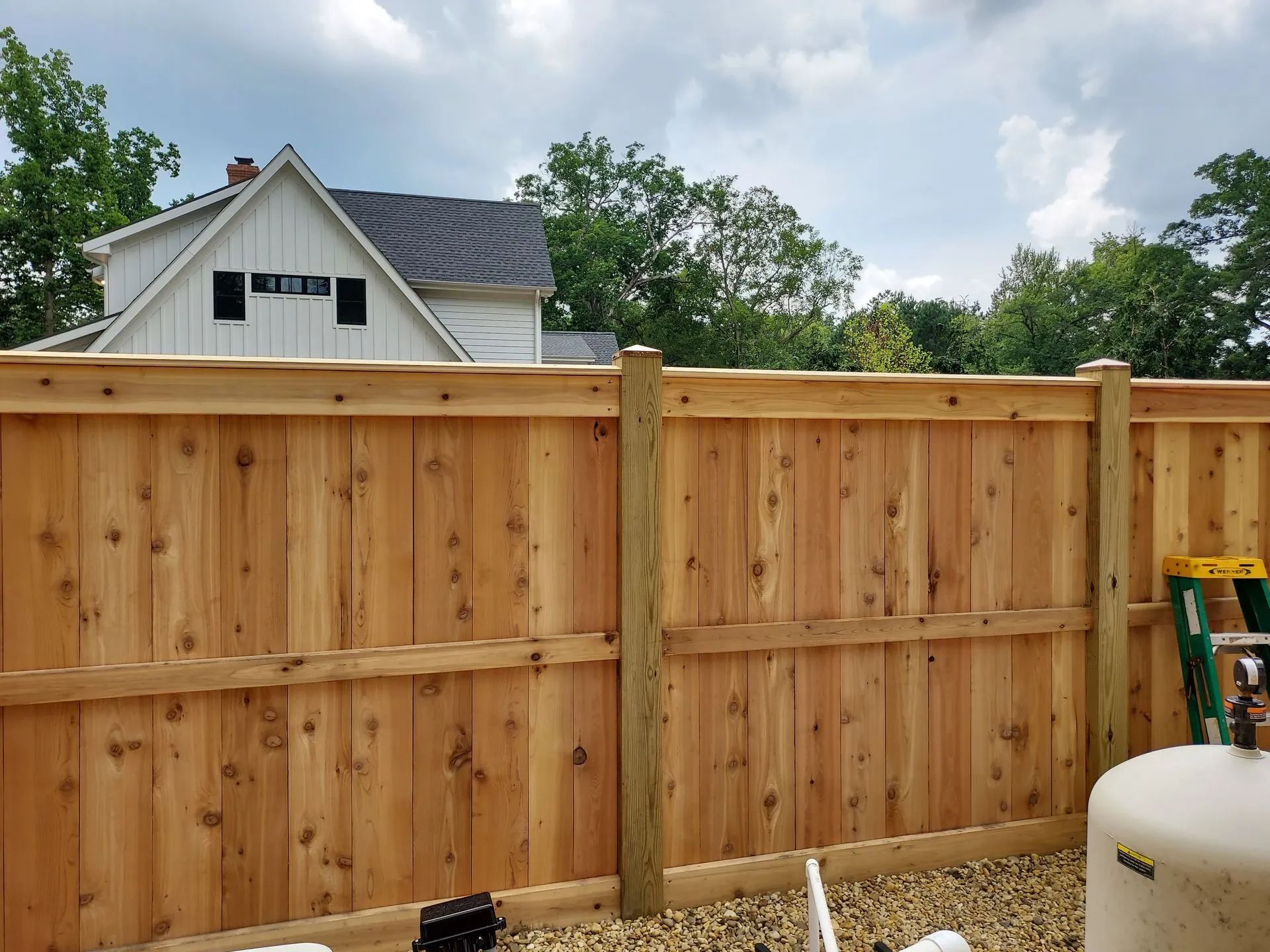
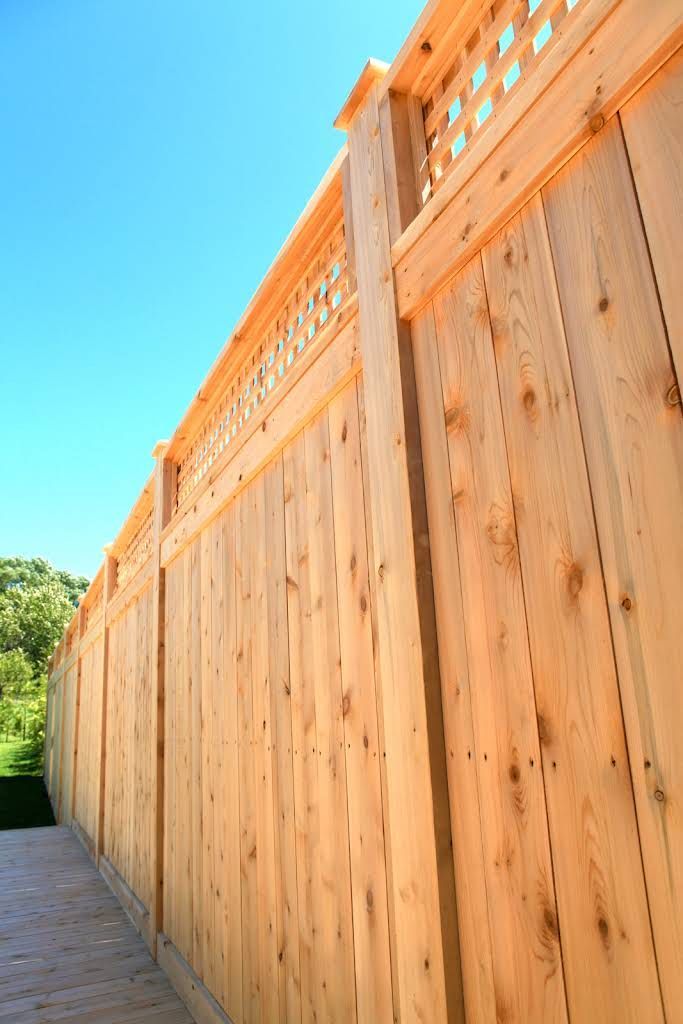
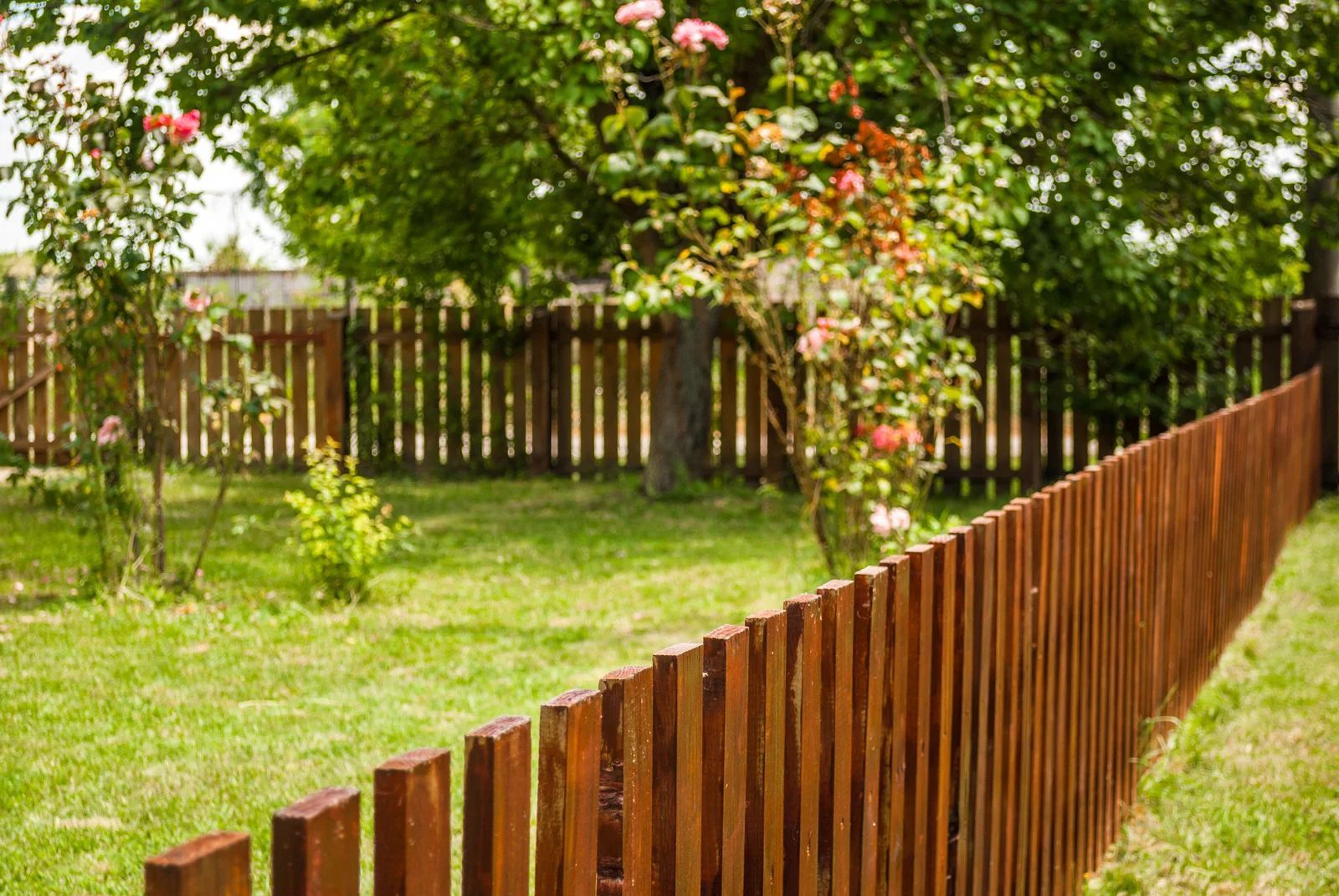
Board And Rail Wooden boards are visible, solid, and familiar. A horse sees them from across the field and respects them. The risks are splintering after kicks, nails or screws working loose, and horses chewing the top rail. Boards should be mounted on the horse side of the posts only if the fence is built so that the horse pushes the board into the post and not off of it, which is a layout question worth settling at the design stage. Wood in salt air and humidity also needs regular inspection, because a rotted board looks fine until it breaks.
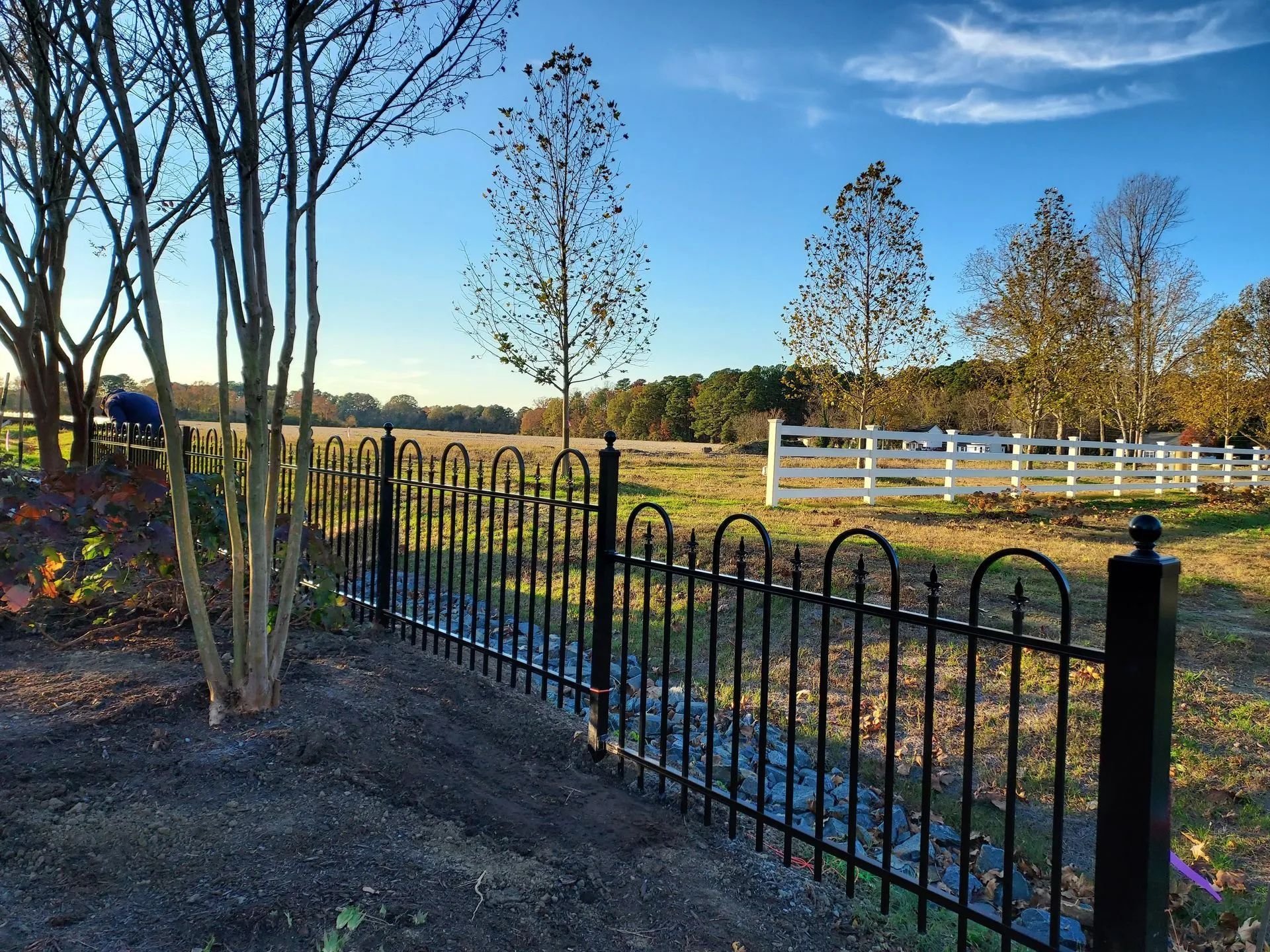
Vinyl Rail And Plank. Rigid vinyl is smooth, highly visible, and does not splinter or rot. It handles the moisture on the shore well and needs very little upkeep. Its weak point is that a horse that leans or runs hard into it can crack a rail, so heavy use areas and stallion or high energy paddocks often get an electric wire run on the inside to keep horses off it.
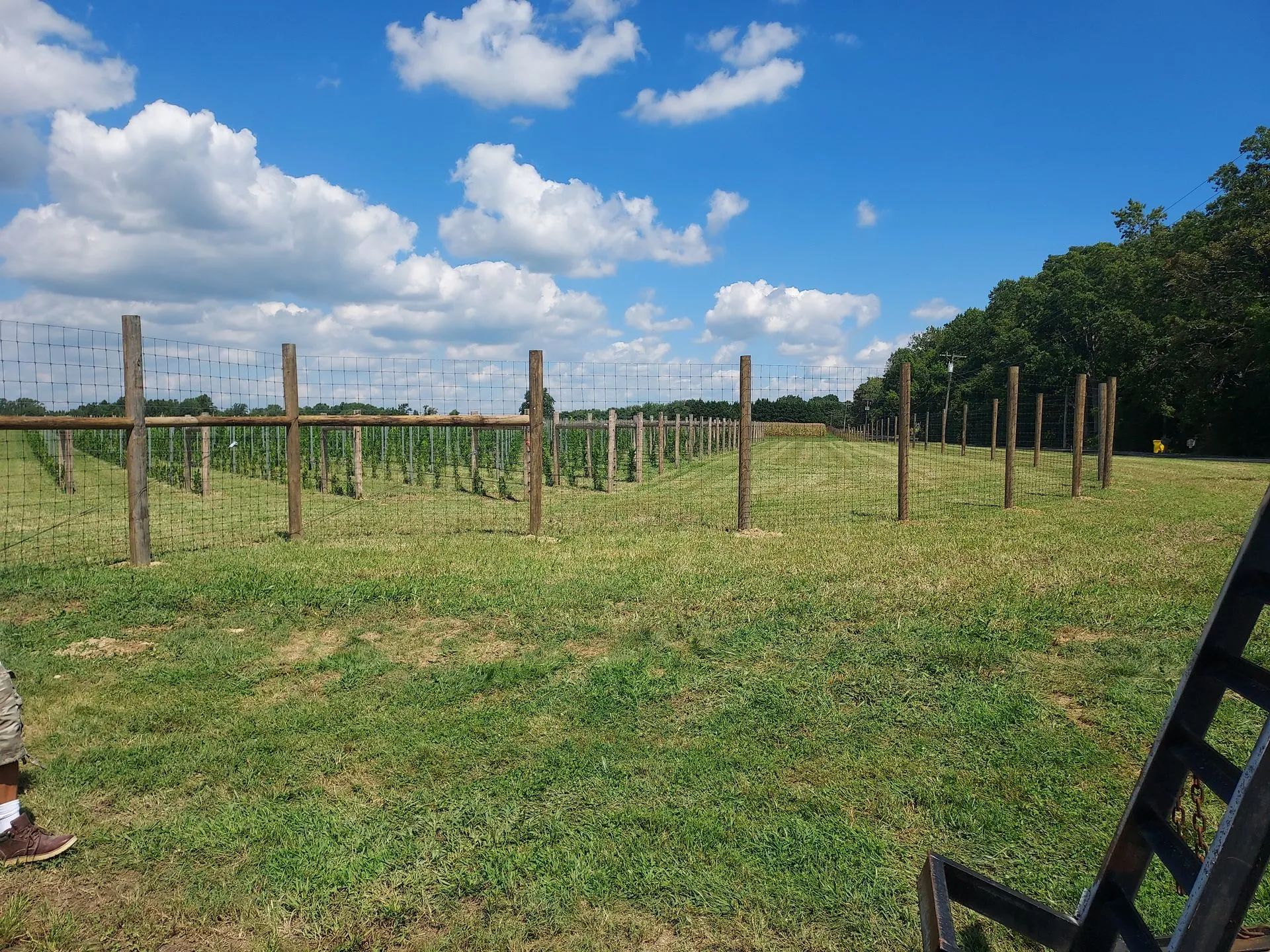
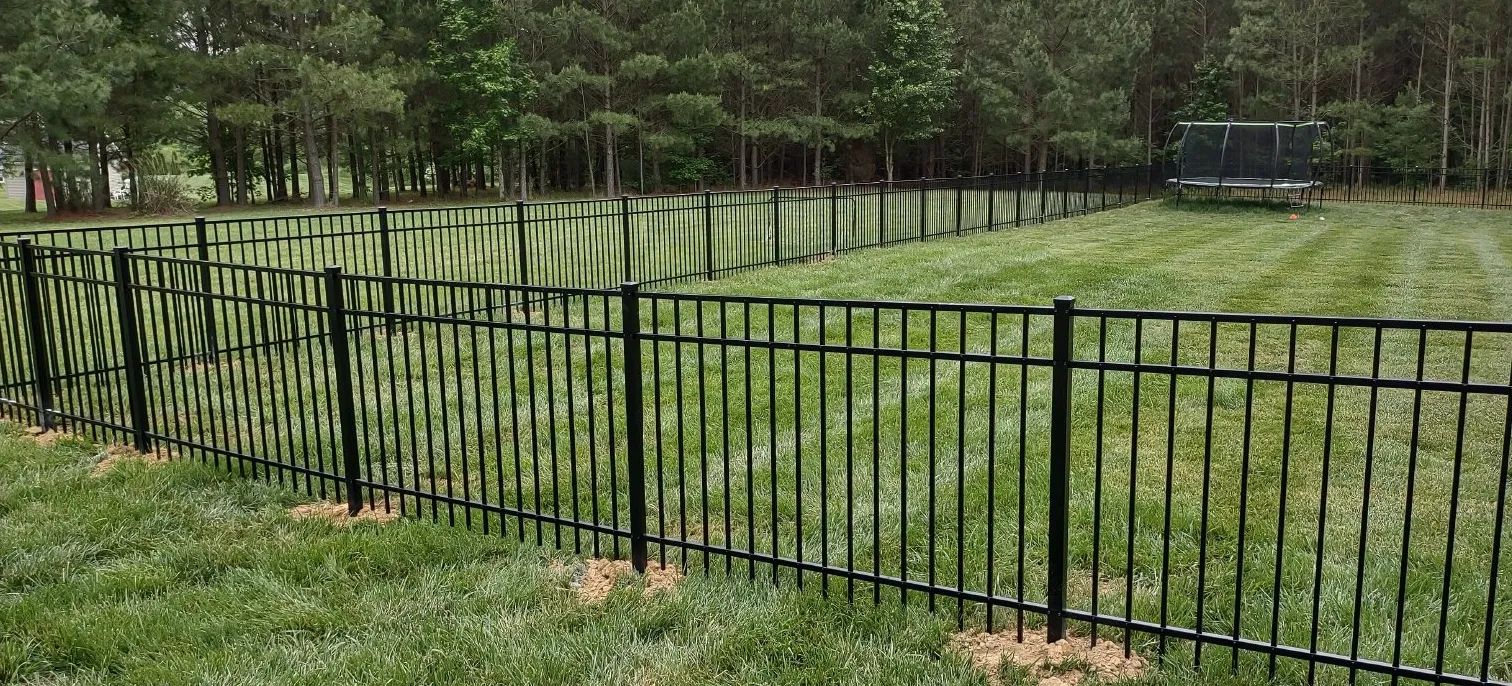
Woven And Welded Wire. This is where mesh size matters most. A rectangular opening around two inches by four inches is large enough to catch the hoof of a foal or pony, and a horse that steps through and pulls back can be badly hurt. Wide woven wire is the least forgiving version and belongs only where horses rarely touch the fence. Closely spaced V shaped mesh is considered the safest wire choice because hooves and legs are far less likely to get stuck, and the bottom wire should sit about 8 to 12 inches above the ground.
High Tensile Wire
Smooth wire of an adequate gauge, ideally coated, can work on large properties because posts can be spaced much farther apart. It carries a real downside, though: thin wire is nearly invisible to a running horse. Without a sight line, it is the kind of fence a horse hits before seeing.
Electric Wire And Tape
Electric strands teach horses to respect a line, and electrified tape is easier to see than plain wire. It works well as an interior divider for rotational grazing, but most horse people do not rely on electric alone as the outside boundary, because it needs power, constant checking, and does not stop a spooked horse by itself.
Barbed Wire
Fence professionals and horse people agree on this one. Barbed wire has no place in a horse pasture. It cuts deeply, and a horse tangled in it will keep thrashing until something gives.
Tip: When you compare fence quotes in your head, imagine a horse at a full gallop and a second horse chasing it. Ask what the fence does when one of them swings wide and hits it. The answer tells you more than the product name does.
Visibility Is Half the Safety
Many pasture injuries happen at dawn, dusk, and in the dark, when a wire line disappears against the trees. A horse that cannot see the fence cannot avoid it. That is why wire fences are best finished with a top sight rail, which can be a board, a length of nylon webbing, or a vinyl rail. The wire does the containing and the rail does the warning.
Color and contrast help too. A pale vinyl rail or a painted board stands out against a green field and a dark tree line. Long runs with a single visible top line are easier on a horse than a fence that blends perfectly into the background.
Height, Bottom Gaps, and the Layout Details Horses Test
Height depends on what you keep. Perimeter fences are commonly built at least 5 feet tall for most light breeds and 6 feet for taller horses or those with a habit of jumping. Interior dividers between compatible horses can be a little lower, around 4 and a half feet, but horses can ride down a lower fence if they are excited or crowded.
The bottom of the fence matters as much as the top. A bottom board set 10 to 12 inches off the ground gives a horse room to pull a hoof back without catching it under a rail. A gap that is too small traps a foot, and a gap that is too large invites a foal to roll under. Ponies and miniatures need the top rail lowered to roughly eye level with the head held naturally.
Corners, gates, and low spots deserve extra attention. Horses crowd gates at feeding time, and corners are where a chased horse gets cornered. Rounding off a sharp corner, bracing the posts well, and keeping gate hardware free of hooks and protrusions all reduce the chance of a bad collision.
What the Eastern Shore Adds to the Equation
Horse properties here are often a mix of open pasture, wet low ground, and wooded edges, and each condition affects the fence.
Wet Ground. Low areas that stay soft after rain let posts shift, and a leaning post changes the rail height and opens gaps where none should be. Posts in damp areas need to be set deep and firm, and the fence line should be walked after any long wet stretch.
Salt Air And Humidity
Near the Bay and the tidal creeks, metal hardware, staples, and latches rust faster, and rusted fasteners loosen and leave sharp points. Hot dipped or coated hardware holds up better, and vinyl avoids the rot that wood can develop.
Storm Damage. After a heavy wind, a fallen limb can pull a rail loose or bend mesh outward without anyone noticing. A quick walk of the full fence after a storm catches the loose board or the sagging wire before a horse finds it.
Deer And Other Wildlife
Deer going through a horse fence can damage wire and rails. If deer pressure is a problem on your property, plan the horse fence and the deer protection together so one does not undermine the other.
Warning: Never turn horses out on a fence that has just been repaired until you have walked every foot of it. A single protruding nail, a loose staple, or a kinked section of wire is enough to cause an injury on the first run.
Herd Management Changes What the Fence Needs
Fence choice is only part of the story. Many injuries happen when a new horse is turned out with an established herd, when horses fight or chase each other, or when too many animals share too little space. A horse being chased will run straight at a fence without slowing down.
That affects the design. A new horse often does better in an adjoining paddock with a safe fence between the animals before sharing a field. Stallion paddocks are typically double fenced with a lane between them, especially next to mares. A fence built for a quiet retired pair does not have to meet the same demands as one around a group of young horses with plenty of energy.
Choosing the Right Fence for Your Pasture
Start with the horses. Their size, age, temperament, and number tell you how much force the fence needs to take. Then look at the ground, the weather exposure, and how much of the fence you can inspect each week. A fence you can easily check is a safer fence than a slightly better one you never walk.
Many Eastern Shore owners end up with a combination: a visible, forgiving perimeter such as board or vinyl rail, closely spaced mesh where small animals or foals are present, and an electric strand inside where horses lean or test the line. Each piece is chosen for a reason, not for appearance.
Whatever you pick, plan for the whole system. The posts, the gates, the bottom gap, the sight line, and the hardware all matter as much as the material on the face.
Frequently Asked Questions
What is the safest type of fence for horses?
Rigid vinyl rail, well built board fencing, and closely spaced mesh with a visible top rail are generally considered the safest options. The best fit depends on the horses, the herd, and the site.
Is woven wire safe for horses?
It can be, if the openings are small enough that a hoof cannot pass through. Wide rectangular woven wire can trap the foot of a pony or foal, so closely spaced mesh is the better choice where horses regularly come near the fence.
How tall should a horse pasture fence be?
Perimeter fences are usually at least 5 feet tall for most light breeds and about 6 feet for tall horses or jumpers. Interior dividers can be a bit lower between horses that get along.
Can I use electric fencing by itself around a horse pasture?
Most horse people use electric as an addition and not as the only outer boundary. It lacks the visibility and strength of a physical fence, and it depends on constant power.
Why do horses keep running into the fence at dusk?
Thin wire and dark materials blend into the background in low light. A visible top rail, pale vinyl, or electrified tape gives the horse a line to see and avoid.
Should boards go on the inside or outside of the posts?
Boards are typically attached to the horse side of the posts, so a horse pushing against the fence presses the board against the post and not away from it. Your fence contractor can confirm the best layout for your design.
A Safe Pasture Starts With the Fence
A good horse fence does not draw attention to itself. The horses stay where you want them, the boards stay put, and nobody gets hurt on an ordinary Tuesday. That quiet result comes from choosing a type that a horse can see, cannot get a hoof through, and cannot lean apart, then building the height, the bottom gap, and the sight line to match the animals and the ground. A fence that merely contains is the bare minimum, not the goal.
Take stock of what you have now, looking for thin wire, wide openings, loose boards, and corners that crowd a chased horse. Those are where a bad moment turns into an injury, and where to fix first. Country Living Fence LLC
has spent over several
years building horse and deer fencing around Centreville, MD, setting posts firm in soft shore ground and finishing lines that show at dusk. A horse that never meets a bad fence never needs the vet, and that outcome is rarely luck.